Ramadan 2026 • After Iftar
Sheikh Ragab Zaki — Quran Recitation Schedule (UK)
Select one or more gatherings below, then submit your name and Phone number to receive reminders before the recitation. The London mosque name will be confirmed.

You have 0 items in your basket
Donate in seconds — your basket stays saved.
Pay securely by card — without leaving this page.
Select one or more gatherings below, then submit your name and Phone number to receive reminders before the recitation. The London mosque name will be confirmed.
Waqf sends blessings to a loved one who has passed

As Muslims, we accept the divine decree of The Most Merciful when our loved ones pass. Even when grief is deeply painful, the knowledge that Allah’s timing is perfect is a comfort. Allah has also provided us with the mercy of benefiting our loved ones after they have passed — through our du‘a and through ongoing charity (sadaqah jariyah) given in their name.
The Messenger of Allah ﷺ said:
“When a person dies, his deeds come to an end, except for three: ongoing charity (Sadaqah Jariyah), knowledge that is benefited from, and a righteous child who prays for him.” (Sahih Muslim)
Sadaqah jariyah is an ongoing charity, such as training someone with a vocational skill, providing a fruit tree, or installing a water pump. A waqf is a permanent charity, where the donated asset is never owned or sold, so it benefits people indefinitely. It has strict parameters and often has a financial setup and guardian to ensure it remains sustainable.
This means that all waqf donations are a form of sadaqah jariyah, but not all sadaqah jariyah are considered waqf.
Absolutely. There’s a clear Islamic precedent for this, since waqf is a form of sadaqah jariyah.
“A man said to the Prophet ﷺ: ‘My mother has died suddenly. I think that if she were able to talk (alive) she would have given in Sadaqah (charity). So, if I give Sadaqah now on her behalf, will she get the reward?’ The Messenger of Allah ﷺ said: ‘Yes.’” (Al Bukhari)
When a person dies, they enter the Barzakh — an interval where souls wait between death and resurrection. It may be blissful or painful, depending on how a person lived.
Giving waqf is a way to seek mercy and forgiveness for your loved one and to try to ease their experience in the Barzakh. Only Allah knows to what extent it will benefit them — but giving a waqf in their name is a sincere means to send blessing and reward to them.

You can dedicate your waqf to another person when giving to any of our projects — all sectors qualify and include the option of naming a loved one. Select “In memory of” at checkout, enter their name, and we’ll do the rest.
Here are some projects supporters often dedicate on behalf of loved ones:
Explore our full range of sectors and projects to choose a waqf that’s right for your loved one.
Visit our Gift a waqf page. Choose any amount — we pool donations, invest in halal assets, and use only the profits to support your chosen charity each year. Your initial donation amount is never owned or spent, and remains invested, growing and bringing benefit year after year, inshallah.
Send blessings and mercy to your loved one, now and for years to come. Dedicate a waqf to someone who has passed away to ease their hereafter and comfort your loss.
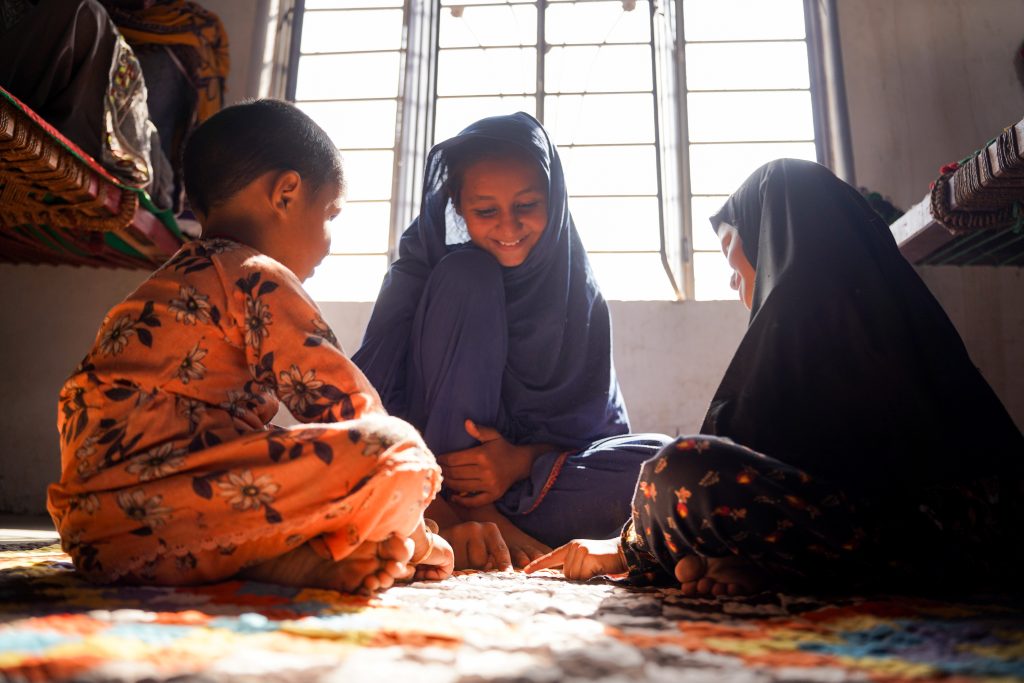
Use this Ramadan Timetable 2026 for the UK to check Imsak, Suhoor, Iftar, and daily prayer times by city. The timetable below is locked to Ramadan dates only to keep clicks low and the experience clean.
Choose your city and calculation method, generate the Ramadan list, then select a day to view all prayer times neatly (without a massive month table or endless scrolling).
This Ramadan Timetable 2026 page is the main pillar guide. If you want to go beyond “what time is Maghrib today?”, the articles below help you plan the month properly — daily giving, fasting essentials, and maximising the last ten nights.
The Messenger of Allah ﷺ said:
“Whoever draws nearer (to Allah) by performing any of the (optional) good deeds in (this month) shall receive the same reward as performing an obligatory deed at any other time, and whoever discharges an obligatory deed in (this month) shall receive the reward of performing seventy obligations at any other time.” (Hadith Ibn Khuzaymah)
A clean path from “how do I give?” to “how do I make it last?” — including daily sadaqah habits and the high-reward final nights.
Zakat & Fidya, Sadaqah, Waqf, giving time & energy, and a simple plan for consistent Ramadan giving.
Build a daily habit of giving with small, consistent actions — and multiply your Ramadan rewards.
Hadith-based reminders on generosity, reward, and the spiritual benefits of charity in Ramadan.
How to maximise giving in the final nights and seek Laylat al-Qadr rewards with a clear plan.
The basics people slip on — explained clearly so you don’t second-guess your fast.
Understand what breaks the fast (and what doesn’t) to avoid common mistakes — with practical examples.
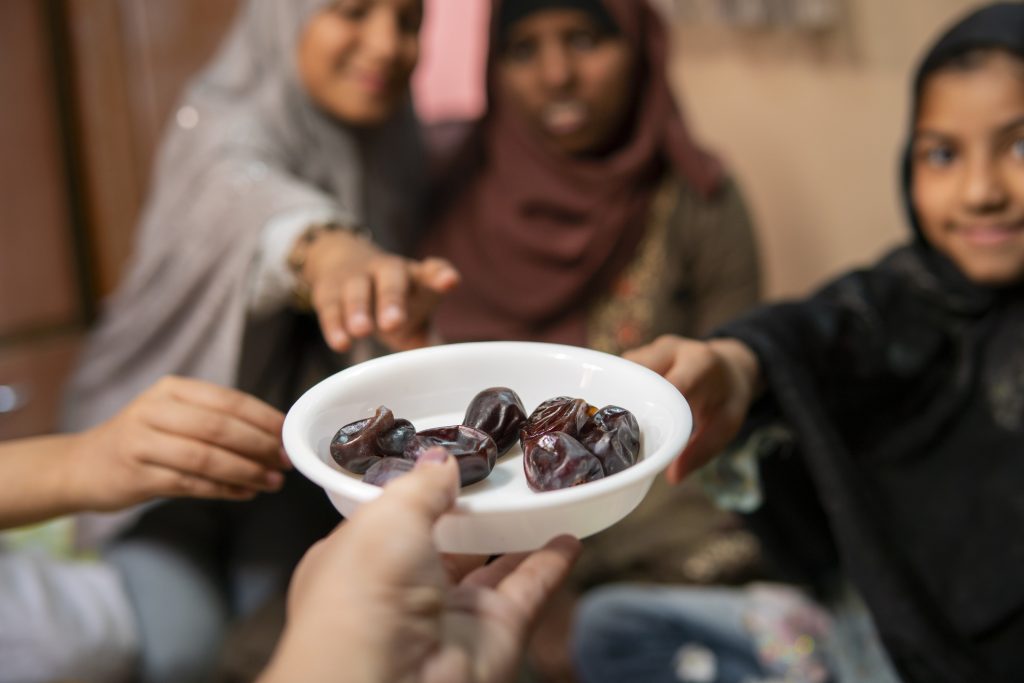
Ramadan is a month of intensified worship. We all know of our duty to fast in Ramadan, but it’s also a chance to receive the multiplied blessings of all acts of giving — and one of the best ways to give in Ramadan is to plan your charity with intention.
The Messenger of Allah ﷺ said,
” Whoever draws nearer (to Allah) by performing any of the (optional) good deeds in (this month) shall receive the same reward as performing an obligatory deed at any other time, and whoever discharges an obligatory deed in (this month) shall receive the reward of performing seventy obligations at any other time.” (Hadith Ibn Khuzaymah)
Ramadan is a rewarding time to fulfil our obligations, since they are rewarded seventy times more generously by The Most Merciful. It’s a powerful time to give you Zakat, and by giving each Ramadan, you’ll always remember that it’s time to fulfil this pillar of Islam.
It’s also necessary to give any fidya that you owe – making up for fasts that you’ve missed when you’ve had a valid reason (such as chronic sickness) by paying for meals for others. It’s preferable to make up these fasts if you’re able to, but if you’re not able to, or you think you will be unable to fulfil them in your lifetime, then Ramadan is a rewarding time to give your fidya. It also benefits fasting families, allowing them to have nutritious meals after a long day’s fast.
There’s few better times to give your sadaqah than in Ramadan, when it’s rewarded many times over. If there’s an emergency or project you’ve been wanting to support, then don’t put it off any longer. Want to support mothers in Sudan? Schools in Yemen? Water in Pakistan? Make sure you donate in Ramadan, and work to keep supporting these projects, even if minimally after Ramadan is over.
One of the most rewarding ways to give sadaqah is through a waqf endowment. That’s because not only are you rewarded for your initial donation, but it continues to benefit communities year after year. Our waqf model allows you to give any amount since we pool it with other donors, invest your charity, and use only profits generated, all in a strict Sharia-compliant manner.
This Ramadan, one donation to The Waqf Fund can continue to support these projects year after year – even beyond your lifetime:
You can even donate to provide food to fasting people, and after the first year you’ll provide an entire family with food for the month of Ramadan. Each year, you’ll provide additional families in an investment that grows, providing multiplied Ramadan blessings for the rest of your life and beyond, inshallah.
Whether it’s playing with your children, buying your spouse a prayer mat, or cooking for your parents, all acts of service and compassion are considered a sadaqah.
You can even gift a loved one a waqf, combining two acts of charity in one!
Volunteer at your local soup kitchen, cook iftar for vulnerable members of your community, distribute date and milk packs in your community, or help clean up your local mosque after maghrib. Give this Ramadan and seek Allah’s mercy and multiplied blessings.
So many people today have one-, five-, and ten-year plans for their careers. But too often, we don’t have similar plans for our faith and akhirah. Take a minute to picture what mistakes you want forgiven, what goals would please The Most Merciful, and set corresponding goals for the next three years at least. Want to have fasted 30 additional days over the next year? Plan them now. Want to volunteer once a month? Get in touch with your local community centre or charities? Want to accumulate charity over the next 10 years? Donate as little as £10 now, and watch it grow with The Waqf Fund.
Plan ahead to make sure you can make the most of every single moment of Ramadan. Use a calendar to map how you’ll arrange your giving across each day and week, making sure to pay attention to Fridays, the last 10 days, and the odd final nights.
It’s a good idea to plan as much as you can ahead of Ramadan, such as having meals scheduled, a list of go-to iftars, workout hours, commutes, and any other predictable responsibilities. Keep a list of duas, and don’t forget to include others in these – yet another way to give this Ramadan!
And remember, if you’re reading this during Ramadan and think that it’s too late to start your giving – it’s never too late so long as Ramadan is ongoing. Every single second is a chance for blessings.

After three years as International British Waqf, we’ve adapted, developed and rebranded as The Waqf Fund.
It’s more than a new name; it’s realigning our name with vision, values and mission; refining our identity with clarity. The Waqf Fund exemplifies our long-standing compassion, transparency, and accountability, while preserving our belief that one act of charity can continue to benefit a community, and the giver, long after it’s donated.
Alhamdulilah, since our inception, our supporters have helped our investments and projects to grow. Rebranding our identity reflects our growth, impact, and power for positive change, and our name is more focused on our borderless spirit, while staying firmly rooted in the principles of our faith.
Our name has changed, but our mission remains the same; we’re dedicated to developing and caring for sustainable waqf projects to transform communities, while helping our supporters to create a legacy for their akhirah.
And, as ever, all of our investments and projects are in strict accordance with Sharia principles for waqf.
Our waqf model means that whether you can give £10 or £1,000, you can still invest in your akhirah with a charity that grows every single year. Your donations are pooled, and profit is used each year to help vulnerable communities to have access to nutrition, schooling, water wells, and medical care.
Want to learn more about our investment model?
In our three years of waqf, we’ve invested £XX million into three properties, each of them stable and Sharia-compliant sources of steady income. We’ve helped XX people/projects through projects that empower communities with food, clean water sources, livelihoods, education, healthcare, or orphan support.
Each Ramadan, supporters who have given a Ramadan waqf provide families with food parcels to last the entire month, and each Dhul Hijjah, we perform the Qurbani sacrifice through our waqf model too.
Whether you’ve been with us since our days as International British Waqf or you’re joining us now as The Waqf Fund, we’re happy you’re joining us on this journey to creating lasting change.
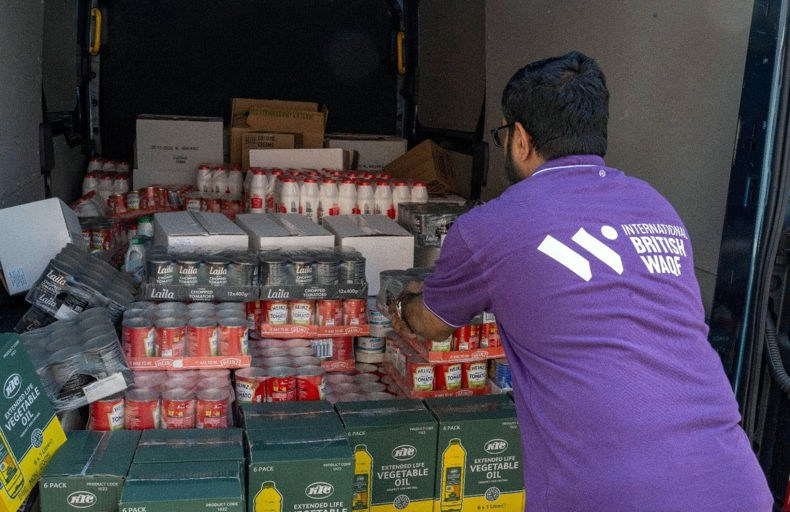
Ramadan Daily Sadaqah volunteers wearing gloves distribute canned goods and fresh produce at a food donation event.
Seizing the Blessings of Ramadan: Ramadan Daily Sadaqah
One of the greatest annual opportunities bestowed upon us by Allah (SWT) to draw closer to Him is the blessed month of Ramadan. Within this holy month, sadaqah occupies a significant place among the righteous deeds that yield multiplied rewards. Naturally, people seek out the best forms of sadaqah in Ramadan.
After all, sadaqah is not merely a gift to the needy; it is, in fact, a precious gift to ourselves, purifying our souls and nurturing a sense of social responsibility. This is why Islam consistently encourages us to spend in the name of Allah, particularly during this holy month.
Offering sadaqah during Ramadan stands as one of the finest actions a Muslim can perform.
The Prophet Muhammad (peace be upon him) was known to be the most generous of people, displaying even greater generosity in Ramadan.
Multiplication of Reward: Allah says, “The example of those who spend their wealth in the cause of Allah is that of a grain that sprouts into seven ears, each bearing one hundred grains. And Allah multiplies ˹the reward even more˺ to whoever He wills. For Allah is All-Bountiful, All-Knowing.” (Quran, 2:261)
Atonement for Sins: Giving sadaqah is a means to atone for our sins.
Bringing Joy to the Needy: As Allah states, “Whatever donations you give are for parents, relatives, orphans, the poor, and ˹needy˺ travellers. Whatever good you do is certainly well known to Allah.” (Quran, 2:215)
Fostering Cooperation and Compassion in Society: Allah urges us to “and urge each other to perseverance and urge each other to compassion.” (Quran, 90:17)
A Shield from Hellfire: As the Prophet (peace be upon him) said, “Protect yourself from the Fire, even if it be with a half-date.”
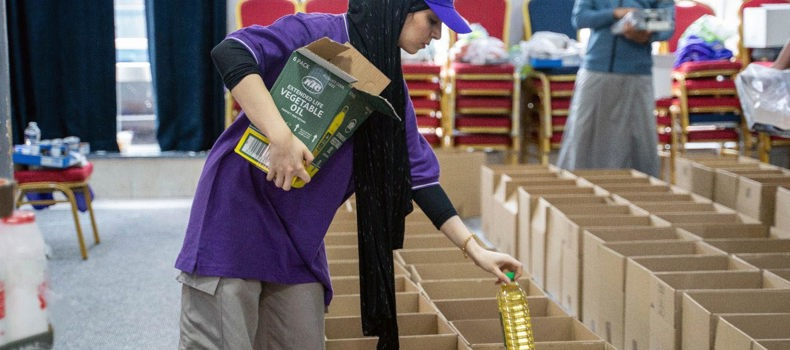
While all forms of sadaqah are preferable during Ramadan, some hold particular merit:
Feeding the Fasting:
This takes precedence as the best form of sadaqah in Ramadan. Islam highlights its significance during this blessed month. The Prophet (peace be upon him) stated, “Whoever provides the food for a fasting person to break his fast with, then for him is the same reward as his (the fasting person’s), without anything being diminished from the reward of the fasting person.” (Tirmidhi)
Sadaqah Jariyah (Ongoing Charity):
These contributions yield continuous rewards, such as aiding in the construction of wells, establishing charitable projects, or imparting beneficial knowledge to others.
Endowment (Waqf):
Considered one of the most essential types of sadaqah, Waqf ensures that charitable acts last over time. The International British Waqf provides you with the opportunity to make a sustainable sadaqah that will continue to benefit those in need for years to come, especially during Ramadan and throughout the year.
Zakat al-Fitr:
This differs from other forms of sadaqah as it is obligatory for every adult Muslim and should be given within Ramadan.
Wealth and Property Zakat:
Although it can be paid at any time of year, fulfilling this obligation during Ramadan enhances its reward and purifies one’s wealth.
Offering One’s Time and Effort:
Your Ramadan Daily Sadaqah can also involve helping meet the basic needs of the less fortunate, whether that means providing clothing and medical aid or volunteering your time for beneficial knowledge and community service.
At the beginning of the month to support families in need during the blessed days of Ramadan.
Just before iftar to alleviate the suffering of fasting individuals.
In the final ten nights of Ramadan to gain the rewards associated with Laylat al-Qadr.
Just before Eid prayer to spread joy among those who are less fortunate.
The benefits of sadaqah are countless and overwhelmingly positive. Each act stands as a beacon of goodness, while ongoing charity, such as through waqf, offers even greater returns.
Promoting solidarity within society.
Bringing barakah (blessings) into your wealth.
Fostering a spirit of generosity and cooperation within the community.
Purifying the soul from stinginess.
Alleviating poverty.
Forgiveness of sins.
Multiplication of rewards.
Earning Allah’s pleasure and the promise of Paradise.
Protection from the torment of Hellfire.
As we embrace Ramadan Daily Giving through sadaqah, let us remember the profound impact our contributions can have on the lives of others. Making a Ramadan Daily Donation not only alleviates the hardships faced by the needy but also serves to enrich our own spiritual journey. May Allah accept our efforts and guide us to be vessels of His mercy during this sacred month.
The practice of charitable endowment, or waqf, is one of the most esteemed forms of sadaqah encouraged by our beloved Prophet Muhammad (peace be upon him). This Sunnah carries profound implications, yielding lasting benefits in this world and continuous rewards in the Hereafter. Fortunately, making a waqf contribution has never been easier, thanks to trusted organisations like The International British Waqf.
At The International British Waqf, we invest your generous contributions to ensure that the profits are directed towards funding vital waqf projects. We take great care to reinvest a portion of these profits so that the original amount not only remains intact but flourishes year after year.
Now is the ideal time to consider donating through The International British Waqf, particularly during Ramadan, to guarantee your giving is sustained and your rewards multiplied. By participating in these projects, you play a vital role in supporting sustainable initiatives such as:
Providing clean water
Supporting education
Humanitarian relief aid
Addressing the needs of orphans
Enhancing health initiatives
Through your donations towards these important efforts, you can be assured that your sadaqah reaches those in need and continues to give for many years to come.
Ramadan Daily Sadaqah is not merely an act of charity; it is a magnificent avenue for drawing closer to Allah and spreading goodness throughout the community. Through The International British Waqf, you can engage in sustainable waqf projects that ensure your generosity lives on. This means your contributions, whether they are part of your Ramadan daily donation or a one-time gift, will serve as a sadaqah jariyah, a continuous charity that lasts forever.
Consider how you can make a difference this Ramadan. Make your Ramadan daily giving meaningful by turning your donations into a lasting legacy of kindness and compassion. Donate today and ensure your giving continues to provide support long after the month of Ramadan has ended.
Ramadan Daily Sadaqah can take many forms. These include feeding those who are fasting, providing financial support to those in need, contributing to educational initiatives, and offering medical assistance. Additionally, waqf (charitable endowment) is a long-lasting way to ensure your contributions continue to provide benefits over time. Engaging in various forms of sadaqah not only amplifies your blessings but also addresses diverse needs in the community.
When giving sadaqah, it is essential to approach the act with a pure intention, seeking to please Allah. There are no stringent rules dictating the amount you should give; what matters most is the sincerity behind your contribution. Whether you choose to give a substantial sum or smaller, more frequent donations, every bit counts. Opting to give your sadaqah discreetly is also encouraged, as it enhances the humility of the act. During Ramadan, the rewards for sadaqah multiply significantly, making it an opportune time for Ramadan daily giving.
Absolutely! Small daily donations can create a profound impact on the lives of those in need. It’s a common misconception that only large sums can make a difference; in reality, modest contributions add up and can collectively fund crucial projects such as providing clean water, nourishing meals, or educational resources for children. Every act of kindness matters, and your commitment to making Ramadan daily donations can pave the way for transformative change. The Prophet (ﷺ) was asked, “What deeds are loved most by Allah?” He said, “The most regular constant deeds even though they may be few.”
There is no fixed amount for charity during Ramadan; the most important factor is to give from the heart and according to your ability. Many individuals choose to give zakat (obligatory charity), which is typically 2.5% of their accumulated wealth, in addition to voluntary sadaqah. Setting aside a specific amount for ramadan daily sadaqah or planning occasional larger donations can help you establish a consistent and meaningful approach to your charitable efforts throughout this blessed month.
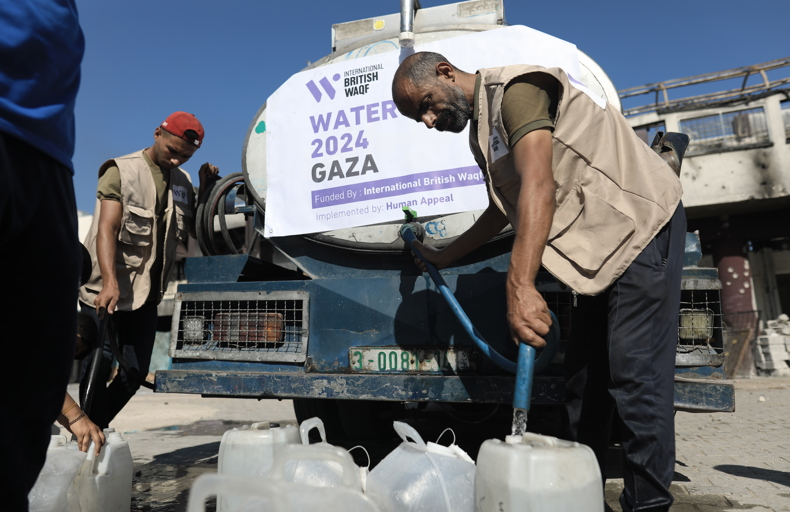
How to Make a Charitable Waqf
Charitable waqf is one of the most effective forms of sustainable giving in Islam. When an individual establishes a waqf, they donate something they cherish—whether it be property, assets, or funds—intending to serve the Muslim community in various capacities, for as long as Allah wills. This is why waqf is regarded as one of the most significant forms of sadaqah jariyah (ongoing charity), whose impact can endure for decades.
A charitable waqf operates by dedicating a permanent asset, such as real estate or financial investments, to a specific beneficiary organisation. The capital asset is then invested, and the income generated is utilised to fund a variety of charitable projects.
At The International British Waqf, we adhere to this fundamental principle. We invest waqf donations in low-risk ventures, such as real estate, and subsequently use the returns to support sustainable projects, including providing clean drinking water, promoting education, and offering relief to those in need. Furthermore, we reinvest a portion of the returns to ensure that the initial donation remains intact, grows over time, and continues to finance additional projects.
This means that by donating to a charitable waqf with The International British Waqf, you can guarantee that your generosity reaches those in need for numerous years to come.
If you are considering establishing a charitable waqf, you can follow these steps:
With The International British Waqf, you can participate in established waqf projects without the complexity of creating your own, making the process simpler and more secure.
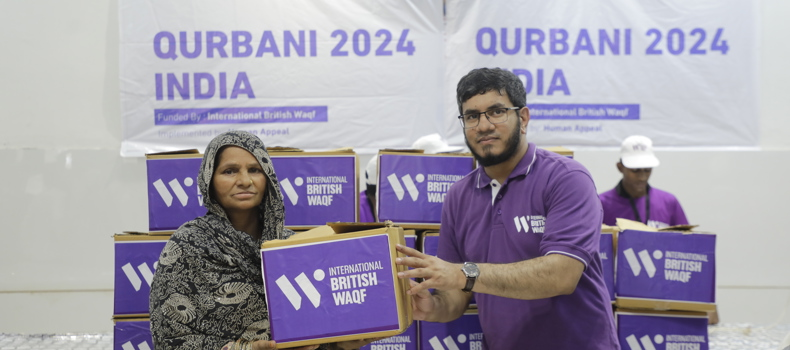
Every asset you dedicate to serve your community is deemed a good waqf, with Allah’s blessing. However, the most effective types of charitable waqf address the urgent needs of the communities they serve. Here are some options:
These waqf projects and more are available to consider when you donate through The International British Waqf.
Islamic law outlines several straightforward conditions for a donation to qualify as a charitable waqf. It is essential to understand that a one-time donation, although commendable, differs significantly from the concept of an ongoing waqf.
To create a charitable waqf, the following conditions must be met:
For instance, consider a scenario where you dedicate your car to a care home, allowing it to be used for transporting residents and fulfilling their needs free of charge. In this case, the asset is the car, and you are not permitted to sell or claim rent for it. The care home is the beneficiary, responsible for its management.
Another example related to our operations is the dedication of a sum of money as a waqf share for water supply projects. We manage these funds and utilise the returns to finance such projects, while you relinquish any claim to that money thereafter.
Charitable waqf has a profound and lasting impact on societal support, contributing to:
By supporting waqf projects through The International British Waqf, you have the opportunity to improve the lives of thousands and ensure the sustainability of your generosity.
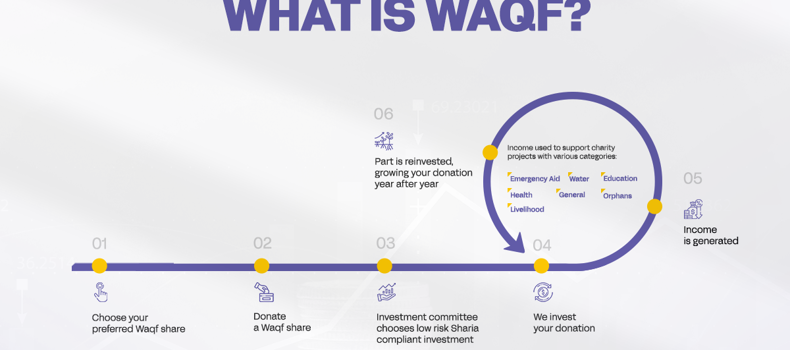
So, why choose waqf? The holy month of Ramadan presents a remarkable opportunity to amplify the rewards of righteous deeds, particularly through ongoing charity. Since waqf functions similarly to sadaqah jariyah (ongoing charity), and good deeds are exponentially rewarded during this blessed month, a donation designated as a waqf share becomes an incredibly rewarding investment in the eyes of Allah.
During Ramadan, charitable waqf provides iftar meals for those fasting each year, supports water supply initiatives, and contributes to meeting the needs of orphans. By donating through The International British Waqf during the blessed days of Ramadan—especially in the last ten nights—you can transform your generosity into enduring sadaqah jariyah, benefiting those in need long after you have passed.
In our modern era, waqf has adopted various accessible forms, thanks to the increased availability of resources for both needy communities and the organisations managing waqfs. Monitoring your waqf has also become simpler due to regular updates provided by these organisations.
At The International British Waqf, our aim in revitalising the tradition of waqf in this manner is to engage individuals in the ongoing cycle of sustainable giving and development, all while earning the rewards associated with sadaqah jariyah.
A charitable waqf pertains to the holding of an asset—be it financial or real estate—and dedicating its returns to support charitable projects and public benefits, such as education and health.
Charitable waqf is designated for public benefit, serving the community at large, while family waqf (also known as Waqf ahli) is directed towards supporting the descendants of the endower. The familial waqf may convert to charitable waqf if those beneficiaries are no longer in need.
Charitable waqf is characterised by its permanence, the investment of its returns into charitable activities, and the inalienability of the principal asset.
Generally, selling a charitable waqf is prohibited, except in exceptional cases where replacement is necessary to serve a greater purpose, with the approval of the relevant authorities.
You can trust us to provide a safe investment that adheres to Islamic law for your waqf. Moreover, we ensure global reach to the most in-need communities through our collaboration with our parent organisation, Human Appeal.
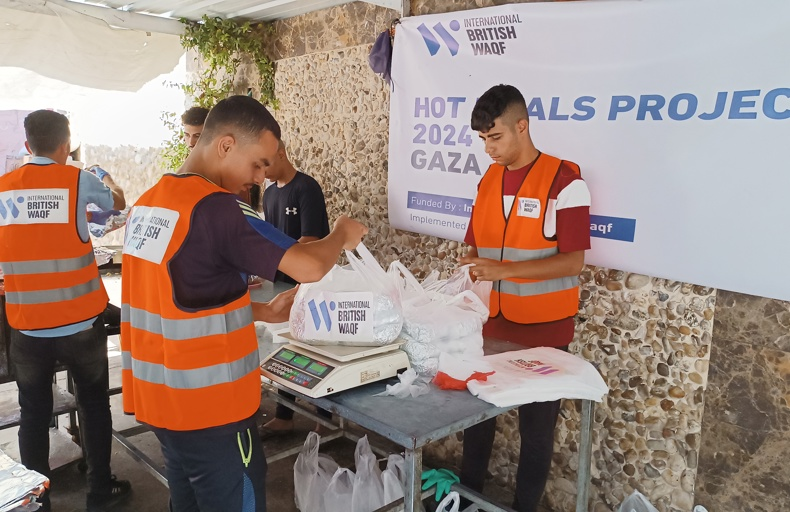
Best Form Of Sadaqah Jariyah Best Form Of Sadaqah Jariyah Volunteers in orange vests pack and distribute food bags as part of a humanitarian hot meals
What’s the Best Form of Sadaqah Jariyah? Exploring Lasting Charitable Practices
In the realm of Islamic philanthropy, Sadaqah Jariyah stands out as a unique and profoundly impactful way of giving. Unlike traditional charity, Sadaqah Jariyah Charity continues to benefit not just the immediate recipient but also the community, and by extension, the donor, long after the initial act of giving. Recognizing the Best Sadaqah Jariyah allows individuals to create a lasting legacy that holds significant rewards in the Hereafter. This blog will delve into the concept of Sadaqah Jariyah, discuss its benefits, and explore meaningful initiatives that align with its ethos, such as those offered by International British Waqf. Ultimately, you will learn how to choose impactful Sadaqah Jariyah projects that resonate with your personal values, ensuring a continuous flow of goodness that may endure a lifetime and beyond. The best form of Sadaqah Jariyah is one that creates lasting benefit. Many people ask what the best Sadaqah Jariyah is, and the answer often includes Sadaqah Jariyah projects like building water wells, education initiatives, and health care projects. Understanding Sadaqah Jariyah benefits helps donors choose the right Sadaqah Jariyah charity and decide when to donate Sadaqah Jariyah for maximum impact.
Sadaqah Jariyah, derived from Arabic, means enduring or ongoing charity. It refers to charitable acts that generate continuous benefits over a long period of time. This concept is deeply rooted in Islamic teachings, with the Prophet Muhammad (peace be upon him) emphasizing the importance of acts that continue to reward even after one’s death. A well-known hadith states, “When a person dies, their deeds come to an end except for three: ongoing charity (Sadaqah Jariyah), knowledge which is beneficial, or a righteous child who makes dua for them” (Sahih Muslim).
Unlike regular Sadaqah, which is a spontaneous act of giving, Sadaqah Jariyah specifically focuses on initiatives that create enduring benefits, making it a profound way to leave a legacy of good deeds.
The Sadaqah Jariyah Benefits are expansive and multi-faceted. Here are some of its key advantages:
Perpetual Rewards: Every time the charitable initiative is utilized or the knowledge is shared, the donor continues to receive rewards. This is particularly significant, as it ensures that one’s good deeds do not end with their death.
Community Development: Sadaqah Jariyah projects often address communal and social issues, such as education and health care, effectively uplifting entire communities. This helps to foster societal well-being and cohesion.
Personal Satisfaction: Participating in Sadaqah Jariyah brings a sense of fulfillment, knowing that one’s contributions lead to positive, lasting change. This can instill a deeper moral and spiritual satisfaction than transient charitable acts.
Increased Spiritual Value: Engaging in Sadaqah Jariyah enhances one’s connection to their faith and the community, strengthening the bonds of brotherhood and sisterhood in Islam.
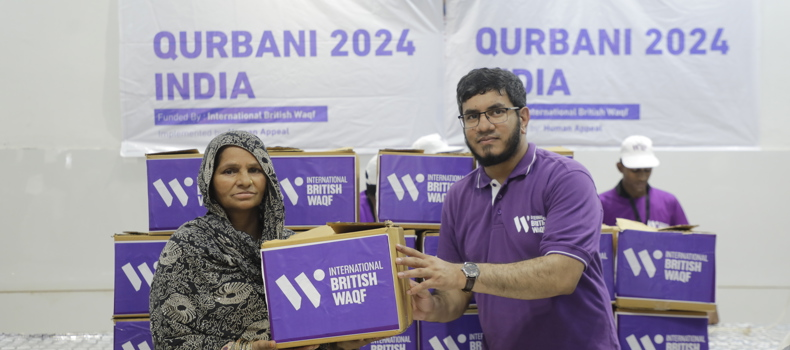
Identifying the best form of Sadaqah Jariyah involves considering initiatives that align with personal values while also offering significant potential for positive change. Here are some impactful Sadaqah Jariyah Examples :
Building Water Wells: Providing access to clean water by funding wells is one of the most praised forms of Sadaqah Jariyah. This not only addresses immediate health needs but also supports communities for generations.
Education Initiatives: Supporting educational facilities, scholarships, or training programs can equip individuals with knowledge and skills that benefit them for a lifetime. Donations towards educational resources like libraries are substantial contributions to society.
Health Care Projects: Supporting the establishment of hospitals, clinics, or medical outreach in underserved communities can prolong life and improve health for many individuals.
Sustainable Agriculture: Initiatives that promote proper agricultural techniques or provide seeds and tools create a direct impact on food security and economic stability for families in need.
Endowments (Waqf): Investing in projects that fit the criteria of Waqf helps to create a sustainable funding model for community improvements. The International British Waqf provides such opportunities, ensuring that donors can invest in long-term projects that support orphans and vulnerable communities.
The beauty of Sadaqah Jariyah lies in its enduring nature. When a person contributes to an ongoing charity, they are essentially planting a seed that continues to grow and bear fruit long after they have passed away. This ongoing benefit can take various forms:
Continuous Impact: As beneficiaries benefit from the charity, the donor continues to receive rewards for each action taken. For example, if a well funded provides water to a village, the continuous usage of that water results in ongoing rewards for the person who funded the well.
Legacy of Knowledge: Contributions towards educational resources or learning institutions mean that the knowledge disseminated continues to benefit society. For instance, every student who benefits from a funded scholarship continues the cycle of knowledge, generating rewards for the donor indefinitely.
Perpetual Charity: Initiatives created as Waqf remain in operation indefinitely, ensuring that the charity continues to benefit those in need well into the future.
Donating Sadaqah Jariyah can be effectively accomplished by following these steps:
Identify Your Values: Consider what causes resonate most with your beliefs and observe the current needs within your community or globally.
Research Organizations: Choose reputable organizations known for their transparency and effectiveness in managing charitable projects. The International British Waqf is a prime example, offering various opportunities for Sadaqah Jariyah donations that benefit widows, orphans, and communities in need.
Consider Waqf-Related Projects: Engaging with Waqf initiatives allows you to create an enduring impact, as your donations are used to fund ongoing charitable projects that generate continuous benefits.
Share Your Contributions: Sharing your charitable experiences can inspire others to join in and contribute Sadaqah Jariyah as well.
Evaluate Impact: Regularly revisit the projects you support to assess their effectiveness and impact, ensuring that your charitable contributions are making the intended difference.
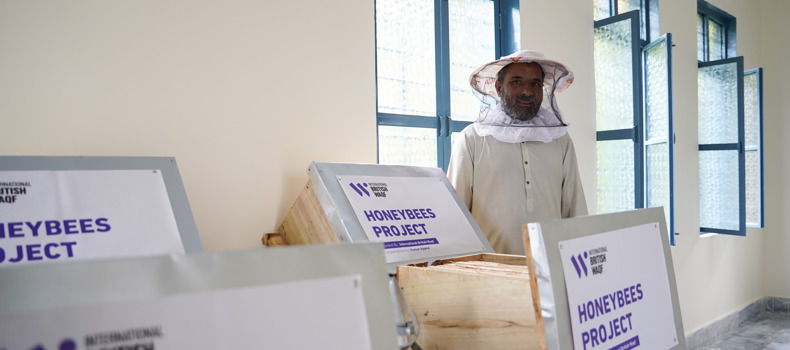
To better illustrate the concept of Sadaqah Jariyah, consider the following initiatives:
The International British Waqf’s Education Projects: The International British Waqf is actively involved in various educational initiatives that ensure orphans and low-income families can access quality education. These projects not only provide immediate support but create a legacy of educated individuals contributing to society.
Water Wells in Pakistan: Through funding clean water wells in rural areas of Pakistan, many individuals have access to clean drinking water, drastically improving their health and overall quality of life.
Healthcare Facilities: Establishing clinics in underserved regions provides essential health services, ensuring that preventative and curative care is available to the most vulnerable populations.
These examples highlight how Sadaqah Jariyah provides practical solutions to pressing social issues while allowing donors to reap spiritual rewards for their generosity.
The best form of Sadaqah Jariyah is one that resonates with your personal values and aims to create lasting positive change in the community. By engaging in initiatives such as building wells, funding education, or contributing to health care projects, individuals can leave a legacy that provides ongoing rewards. Examples such as those offered by International British Waqf show that lasting charitable practices can transform lives and strengthen communities. As you reflect on the meaning of Sadaqah Jariyah, consider how your contributions can foster sustainable change and create a ripple effect of goodness that lasts well beyond your lifetime.
Sadaqah Jariyah refers to ongoing or perpetual charity that continues to benefit individuals or communities long after it has been given, resulting in continuous rewards for the donor.
While regular Sadaqah is a one-time charitable act, Sadaqah Jariyah involves projects that provide ongoing benefits and rewards, ensuring the donor’s contributions continue to have an impact over time.
What’s the Difference Between Types of Charity in Islam?
The benefits of Sadaqah Jariyah are profound and far-reaching, extending not only to the immediate recipients of the charity but also to the donor themselves. One of the primary advantages is the promise of perpetual rewards, as each time the charitable initiative is utilized, the donor continues to earn blessings even after their death. This concept is beautifully encapsulated in the prophetic tradition highlighting that good deeds, knowledge shared, and ongoing charity remain with the individual forever. Furthermore, Sadaqah Jariyah fosters a sense of community and unity, as these acts often address pressing social issues such as education and healthcare, leading to a significant upliftment of societal wellbeing. By participating in Sadaqah Jariyah, donors create a legacy of goodness, assuring their place among those who contribute to societal harmony and development.
Engaging in Sadaqah Jariyah can take on many forms, each with its unique impact on communities. Examples include funding the construction of water wells, which provide essential access to clean drinking water, significantly enhancing health and quality of life for countless individuals. In addition, investing in educational initiatives—such as building schools or offering scholarships—empowers individuals through knowledge and skill development, ensuring a brighter future for generations. Healthcare projects, including establishing clinics in underserved areas, also fall under the auspices of Sadaqah Jariyah, addressing critical health needs and promoting well-being. By supporting such initiatives, often facilitated through reputable organizations like the International British Waqf, donors can ensure their contributions yield lasting benefits, thereby making a meaningful difference in the lives of vulnerable populations.
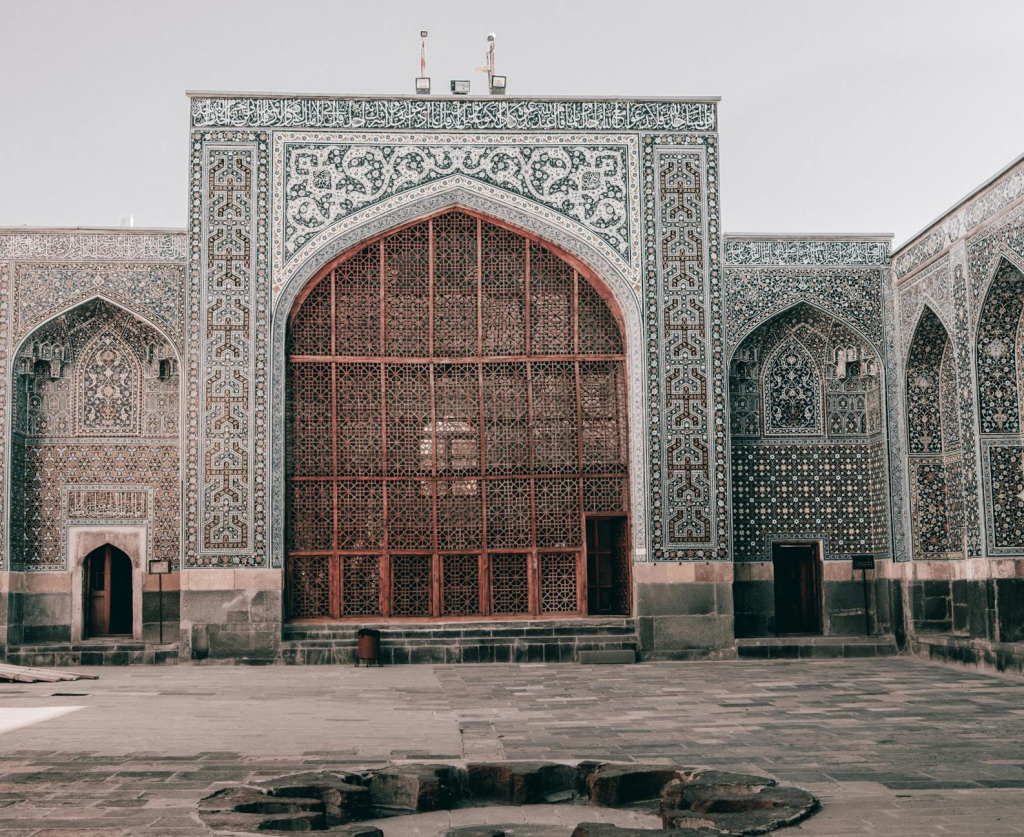
Sadaqah Jariayh (ongoing charity) in Islam – is considered to be among the best charitable acts a person can perform as it continues to bring spiritual benefits after a person leaves this world.
The Prophet Muhammad (peace be upon him) reported in an authentic narration that a person continues to reap rewards for three deeds even after death: ongoing charity, useful knowledge, and a righteous child who prays for their parents.
Waqf is a form of ongoing charity as the money or property is dedicated for continuous social benefit and the donor cannot repossess the donated asset. An example of a Waqf could be building a mosque or digging a well that people benefit from over time.
An example of a Waqf from Islamic history is when the caliph Umar ibn al-Khattab (may Allah be pleased with him) acquired land in Khaybar and asked the Prophet (peace be upon him) what should be done with it. The Prophet (peace be upon him) recommended that it should be dedicated as a charitable Waqf for the poor, for relatives and for the sake of Allah. This shows the diversity of different forms of Waqf and their positive impact on society.
Be part of a great tradition and a better future for people in need:
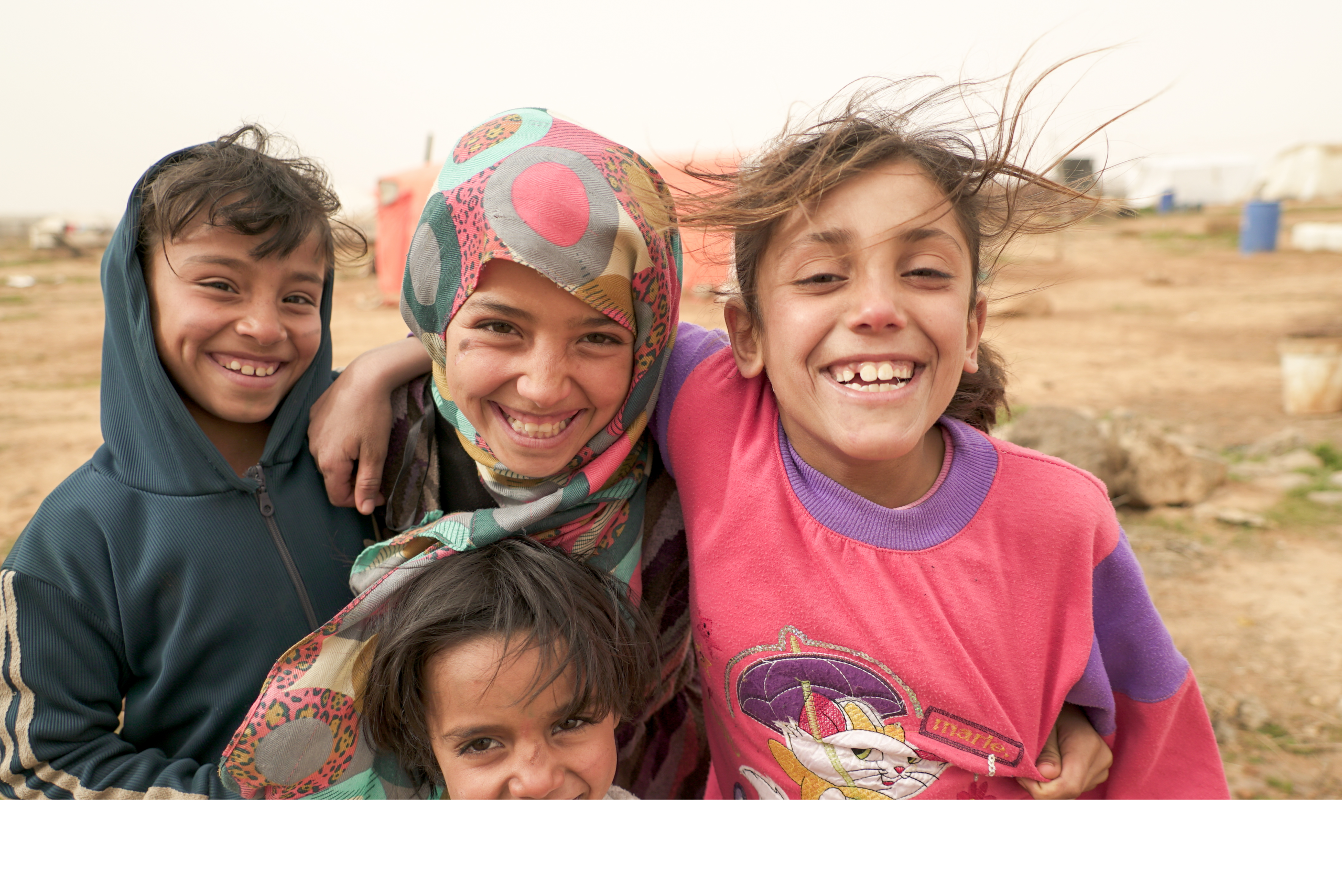
Our purpose at IBW is to use your donations to achieve ongoing charity for those in need. In doing so, we invest your donations in a way that is compatible with Islamic law.
Waqf donations have already contributed to improving the lives of people in several countries by providing access to water, lifting the burden of meeting this basic need among communities who benefited and helping them live in more hygienic conditions.
Join us today on a journey that brings ongoing benefit to communities living in poverty and continuous spiritual rewards for you.
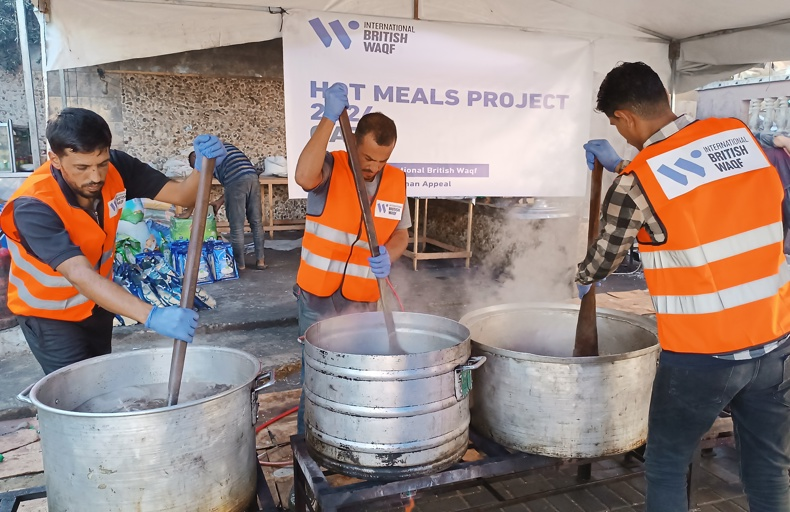
Sadaqah in ramadan hadith sadaqah in ramadan hadith Volunteers in orange vests stir large pots of food at a humanitarian hot meals project.
The Virtue of Sadaqah in Ramadan: Embracing Generosity During the Holy Month
Ramadan is much more than just a time for fasting; it serves as a powerful opportunity to strengthen our connection with Allah and foster community ties. Among the myriad acts of worship during this blessed month, sadaqah—charity—holds a particularly esteemed position.
The Prophet Muhammad ﷺ emphasised the significance of sadaqah in Ramadan through various hadith, underscoring the multiplied rewards and profound spiritual benefits that come from giving during this holy period.
At The International British Waqf, we believe that comprehending these essential teachings deepens our commitment to generosity, especially in Ramadan.
One of the many sadaqah in ramadan hadith reinforces the idea that giving not only benefits those in need but also purifies the giver’s heart. In a well-known narration from Sahih Bukhari, the Prophet ﷺ stated:
“The best of people are those that bring the most benefit to others.” (Sahih Bukhari, Book 78, Hadith 8)
This profound statement encourages us to become agents of positive change in our communities, particularly during Ramadan. Our acts of kindness and charity not only impact the lives of those we assist but also elevate our own spiritual standing.
The remarkable aspect of giving during Ramadan lies in the belief that the rewards for sadaqah are multiplied. The Prophet ﷺ said:
“Whoever gives a little in charity during Ramadan, it is as if he has given everything in charity.” (Sunan Ibn Majah, Book 37, Hadith 2244)
This hadith on sadaqah in Ramadan serves as a heartening reminder that even small acts of generosity can yield significant rewards. The spiritual benefits of sadaqah in this holy month are boundless, creating a prime opportunity for us to contribute to charitable causes.
sadaqah in ramadan hadith Volunteers in orange vests pack and distribute food bags as part of a humanitarian hot meals
Another essential teaching from the Prophet ﷺ connects sadaqah to the purification of one’s heart and wealth. In Sahih Muslim, it is reported that he said:
“Charity does not decrease wealth, and Allah increases the servant in honour when he humbles himself.” (Sahih Muslim, Book 5, Hadith 219)
This highlights the truth that giving generously leads to more blessings in our lives. The benefits of sadaqah hadith emphasise that what we give away is returned to us manifold, whether through increased mercy, protection, or spiritual elevation.
This Ramadan, as we focus on charity, we must reflect on its spiritual merits. The act of giving possesses transformative power; it nurtures compassion, empathy, and a sense of community. The Messenger of Allah ﷺ illustrated this beautifully when he shared:
“The one who looks after and works for a widow and a poor person is like a warrior who fights for Allah’s cause or like one who fasts during the day and prays all night.” (Sahih Bukhari, Book 78, Hadith 2)
This hadith encapsulates the essence of sadaqah in Ramadan, encouraging believers to be proactive in their support for others. Striving to uplift those in need epitomises the compassion that the spirit of Ramadan inspires.
As we engage in charity this Ramadan, let us remember its connection to mercy and protection. The Prophet ﷺ reassured us that those who give sadaqah with pure intentions will find refuge under Allah’s mercy on the Day of Judgement. A poignant _hadith about sadaqah in Ramadan reveals:
“Allah, the Most High, said, ‘O son of Adam, spend, and I shall spend on you.'” (Sahih Muslim, Book 5, Hadith 219)
This profound statement encapsulates the essence of generosity—an invitation to participate in an unending cycle of giving. Through our contributions this Ramadan, we ensure that Allah’s blessings continue to flow into every aspect of our lives.
As we reflect on the spiritual depths of Ramadan, let us commit to giving sadaqah with pure hearts. At The International British Waqf, we strive to channel your generosity into sustainable projects that uplift communities in need.
Donating through well-structured waqf initiatives allows your contributions to continue providing benefits long after the month has passed. Together, we can create a lasting impact that embodies the true spirit of Ramadan, ensuring that our acts of charity resonate through time and extend their blessings to future generations.
Join us in this noble cause and make your sadaqah in Ramadan a source of hope, mercy, and empowerment for those who depend on our compassion and support.