Build a Water Well as Sadaqah Jariyah | A Lifelong Charity in Islam
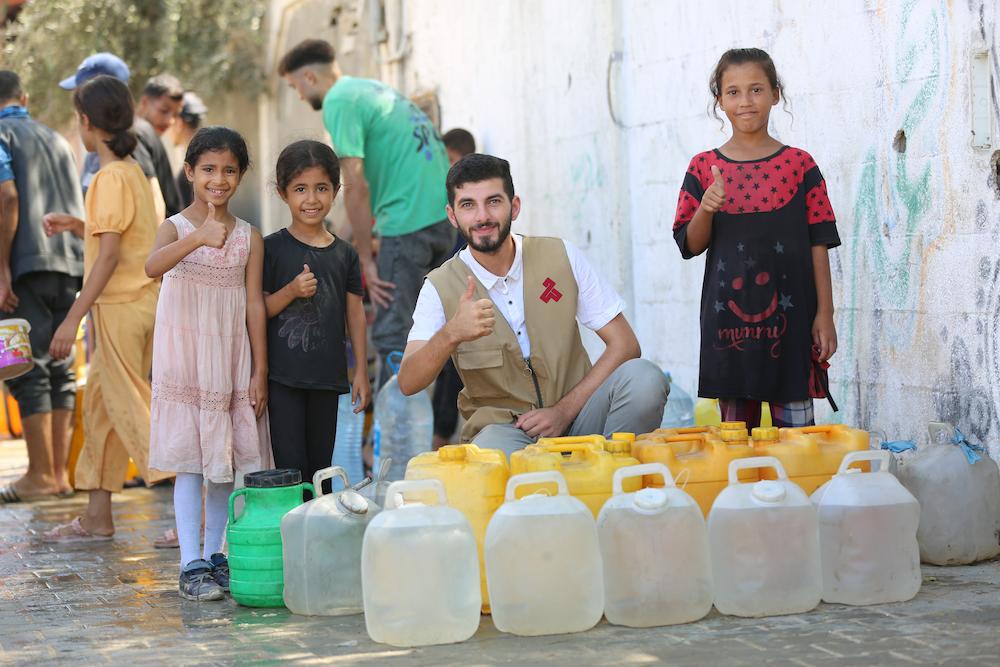
In Islam, the concept of Sadaqah Jariyah (ongoing charity) holds a unique and powerful significance. Among the many ways to establish this type of charity, building a water well as Sadaqah Jariyah stands out as one of the most impactful and rewarding acts in Islam. Providing access to clean water not only fulfils a vital human need but also ensures enduring blessings and rewards for the donor
What Is Waqf and How Does It Relate to Water Wells?
Waqf, in Islamic tradition, refers to an act made for the benefit of others, creating a sustainable source of good. A water well, as part of a Waqf, becomes a continuous source of sustenance for people, animals, and plants alike. The Prophet Muhammad (peace be upon him) emphasised the importance of providing water as a form of charity, stating: “The best charity is giving water to drink.” By donating a water well, you create an enduring legacy, with rewards that last as long as the well continues to provide for those in need. This aligns perfectly with the essence of Waqf, making water well charity in Islam a powerful symbol of compassion and foresight.
Building a Water Well as an Ongoing Source of Blessings in Islam
Sadaqah Jariyah ensures that even after a donor passes away, their act of charity continues to generate blessings. A water well is a quintessential example of this concept. With each drop of water drawn from the well, you:
Support life.
Reduce the burden of water scarcity for struggling families.
Contribute to health and hygiene, which are critical in areas with limited resources.
The simplicity yet profound impact of this act ensures ongoing rewards, making donating water wells an unparalleled opportunity to please Allah.
The Benefits of Water Wells
The rewards of building a water well go beyond spiritual benefits. From a worldly perspective, the act has far-reaching implications:
Providing Clean Drinking Water Access to safe water is a fundamental human right. By creating a well charity, you provide communities with a reliable water source, reducing the prevalence of waterborne diseases.
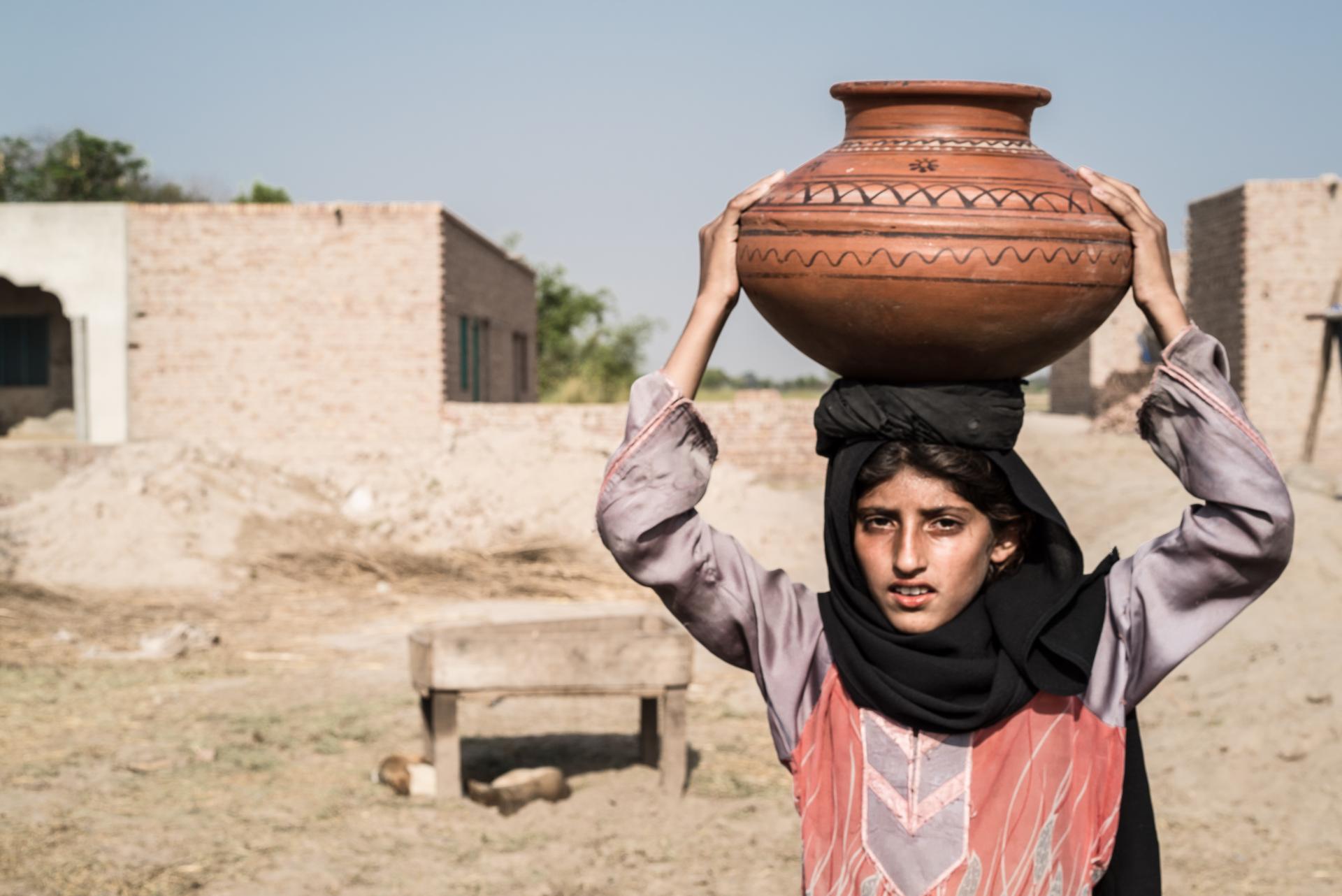
Supporting Education Children in underprivileged regions often miss school because they must walk miles to fetch water. A local water well allows them to focus on their education instead.
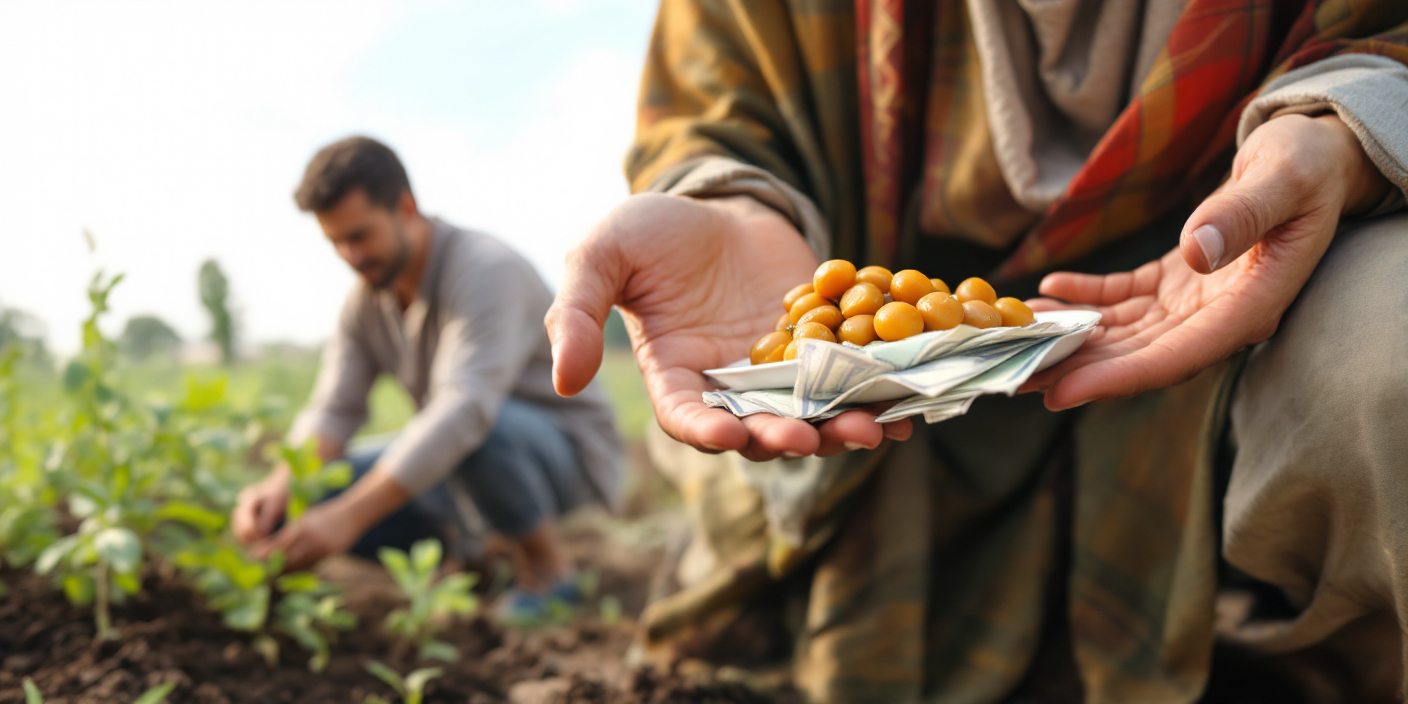
Economic Growth Villages with access to clean water experience better agricultural output and enhanced productivity, enabling economic self-sufficiency.
Environmental Sustainability Wells encourage responsible water use and protect vulnerable populations from over-dependence on contaminated sources.
How Building a Well Impacts Families and Communities Long-Term
For families and communities struggling with water scarcity, a well can be transformative. It provides:
Healthier Lives: Clean water reduces illnesses, particularly among children.
Empowered Women: Women and girls often bear the burden of fetching water. By donating a well, you free up their time for education and other productive activities.
Self-Sufficiency: A water well enables sustainable agricultural practices, leading to better food security and reduced reliance on external aid.
By choosing to donate a water well, you provide a foundation for growth and self-reliance in communities that need it most.
Build a Water Well as Sadaqah Jariyah – A Lifelong Charity in Islam
The opportunity to give through a water charity is at your fingertips. Numerous organisations make it easy for you to contribute to a water well project. With just a small donation, you can join hands with others to transform lives.
Why You Should Act Now
Countless Families Are Waiting: Many live in regions where clean water is scarce, enduring daily struggles to survive. Your help can alleviate their burden.
Endless Rewards Await You: Imagine the blessings that multiply every time someone drinks or uses water from the well you helped build.
Make an Immediate Impact: Even small contributions can lead to massive change when combined with the efforts of other generous donors.
Don’t let this chance pass. Help build a future where no one has to suffer due to a lack of clean water. Your donation to a water well project is not just a gift to others; it’s an eternal source of blessings for you.
Act now to donate water wells and bring hope to those in desperate need. contribute and become part of this incredible journey of giving
How To Do Sadaqah For Someone Else
How To Do Sadaqah For Someone Else
In Islam, the act of sadaqah is a powerful way to express compassion and generosity towards others. It serves as a reminder of our responsibilities to support those in need and to share our blessings with the community. This article will provide guidance on how to do sadaqah for someone else, explore the concept of sadaqah jariyah, and highlight the spiritual rewards associated with these charitable acts.
Understanding Sadaqah in Islam
Sadaqah is defined as voluntary charity given to individuals in need, which can take many forms. Unlike obligatory almsgiving, known as zakat, sadaqah is an expression of goodwill and sympathy towards others, emphasising the importance of helping those who may be less fortunate. This act of kindness plays a vital role in fostering community bonds and alleviating suffering.
Can You Do Sadaqah for Someone Else?
Yes, you can certainly perform sadaqah for someone else. Whether it’s for a friend, family member, or even a stranger, giving sadaqah on behalf of someone can be a meaningful gesture. Sadaqah jariyah, as a gift, not only honours the recipient but also allows the giver to accumulate rewards. It is a beneficial way to express care for someone’s well-being or to memorialise those who have passed away.
What is Sadaqah Jariyah?
Sadaqah jariyah refers specifically to ongoing charity that yields benefits for both the giver and the beneficiary over an extended period. Unlike one-time donations, sadaqah jariyah continues to provide rewards even after the donor’s passing. This could involve funding projects like schools, wells, or hospitals, which generate ongoing benefits for the community.
Sadaqah Jariyah Benefits
The sadaqah jariyah benefits are profound. Not only does it provide immediate relief to individuals or communities, but it also fosters sustainable development. Givers of sadaqah jariyah can experience a continuous source of blessings and rewards, further exemplifying the spirit of giving encapsulated in Islamic teachings.
How to Give Sadaqah for Someone Else (Practical Guide)
To effectively give sadaqah for someone else, consider the following steps:
Set an Intention: Make a sincere intention to give sadaqah for the benefit of the person you wish to honour.
Choose the Right Cause: Identify a cause or project that aligns with the recipient’s needs or values. This could be local charity organisations or initiatives like those offered by The Waqf Fund, which supports various sustainable projects.
Make the Contribution: Donate online or directly to the chosen initiative, ensuring that your contribution is earmarked for the intended recipient.
Share the Blessing: Inform the person you’re honouring or their family about your donation, as it may uplift their spirits and provide emotional reassurance.
Best Sadaqah Jariyah Examples
Examples of best sadaqah jariyah include:
Building a Mosque: Establishing a place of worship that serves the community allows for continual prayers and gatherings.
Water Supply Projects: Funding clean water initiatives benefits entire communities and saves lives.
Engaging in sadaqah not only benefits those in need but also enhances the spiritual state of the donor. The act of giving is a reflection of generosity and compassion, and Allah rewards these virtues manifold. Every act of sadaqah increases blessings, purifies wealth, and fulfils religious obligations.
The Role of Sadaqah Jariyah in Islam
Sadaqah jariyah plays an essential role in Islamic practice, facilitating a culture of giving that encourages solidarity and support among community members. This concept aligns perfectly with the teachings of the Prophet Muhammad (peace be upon him), who emphasised helping others as a cornerstone of faith.
How to Identify Trustworthy Sadaqah Jariyah Projects
When choosing projects for sadaqah, it is vital to select trustworthy and credible organisations. Research charities, read reviews, and verify their impact reports. Organisations like The International British Waqf provide transparent information about their projects, making it easier for donors to decide where to contribute.
FAQs
Yes, you can perform sadaqah for someone else, including those who have passed away, In Islam, it is not only permissible but also highly encouraged to dedicate your acts of charity to others, whether they are living or deceased. By performing sadaqah on behalf of a loved one, you can honor their memory and continue to provide them with spiritual benefits. Many people choose to donate to charitable causes or fund sustainable projects, such as building mosques or providing educational resources, in the name of deceased family members or friends. This act of generosity serves as a way to seek blessings for both the donor and the recipient, reinforcing the bond of love and remembrance.
Sadaqah jariyah offers significant spiritual benefits for the deceased. When you engage in ongoing charitable acts, such as building a school, establishing a water supply project, or funding medical services, the rewards of these initiatives continue to accumulate even after the donor’s passing. According to Islamic teachings, the benefits accrued from sadaqah jariyah can reach the deceased through the good deeds performed in their name. This ongoing contribution reflects the enduring impact of their life and legacy while serving as a source of mercy and forgiveness for them in the Hereafter. Through such acts, family members and loved ones can create a lasting testament to their care and compassion.
Giving sadaqah for someone else is recognized as an act of kindness that not only benefits the one in need but also brings immense rewards to the donor. In Islam, the intention behind charitable acts is critical; the Prophet Muhammad (peace be upon him) taught that rewards are based on intentions. When you donate or support a cause on behalf of someone else, you express selflessness and a desire to aid others, qualities that are highly valued in Islam. Each time your donation helps someone or supports an ongoing project, you accumulate rewards in the eyes of Allah. Moreover, when you give sadaqah jariyah, the rewards continue as long as the benefits of your contribution last. This emphasizes the spiritual cycle of giving and receiving that reinforces community ties and highlights the importance of charity within the Islamic faith.
“We don’t just collect donations. We build endowments that give forever.”
Types of Sadaqah: Exploring Different Forms of Charity in Islam
Types of Sadaqah: Exploring Different Forms of Charity in Islam
Charity, or Sadaqah, holds a special place in Islam as an expression of faith, kindness, and community responsibility. The term Sadaqah’s meaning extends beyond financial contributions; it encompasses all forms of goodwill aimed at earning Allah’s blessings. This blog explores the types of Sadaqah, highlighting their diversity and connection to other forms of Islamic charity like Waqf and Zakat.
Monetary vs. Non-Monetary Sadaqah
Sadaqah can be divided into two broad categories: monetary and non-monetary, emphasising that charity isn’t restricted to wealth.
Monetary Sadaqah
This involves direct financial contributions, including: Donating to help the poor and needy. Supporting community initiatives, such as building wells or funding education. Providing interest-free loans to those in financial distress.
Non-Monetary Sadaqah
Non-monetary Sadaqah is equally valuable in Islam and includes:
Helping someone carry their belongings.
Volunteering time or skills to assist others.
Smiling at a stranger or offering kind words.
Both forms serve as a reminder that the spirit of charity lies in intention and effort, not just financial capacity.
Sadaqah Jariyah (Ongoing Charity) vs. One-Time Sadaqah
Another distinction among types of Sadaqah in Islam is between ongoing charity (Sadaqah Jariyah) and one-time acts of charity.
Sadaqah Jariyah (Ongoing Charity)
This form of charity, known as Sadaqah Jariyah, continues to benefit others and earn rewards for the giver even after their death. Common examples include:
Building schools, hospitals, or mosques.
Establishing educational endowments (Waqf) to fund long-term community projects.
Planting trees that provide shade or food.
One-Time Sadaqah
This includes immediate acts of kindness or donations, such as:
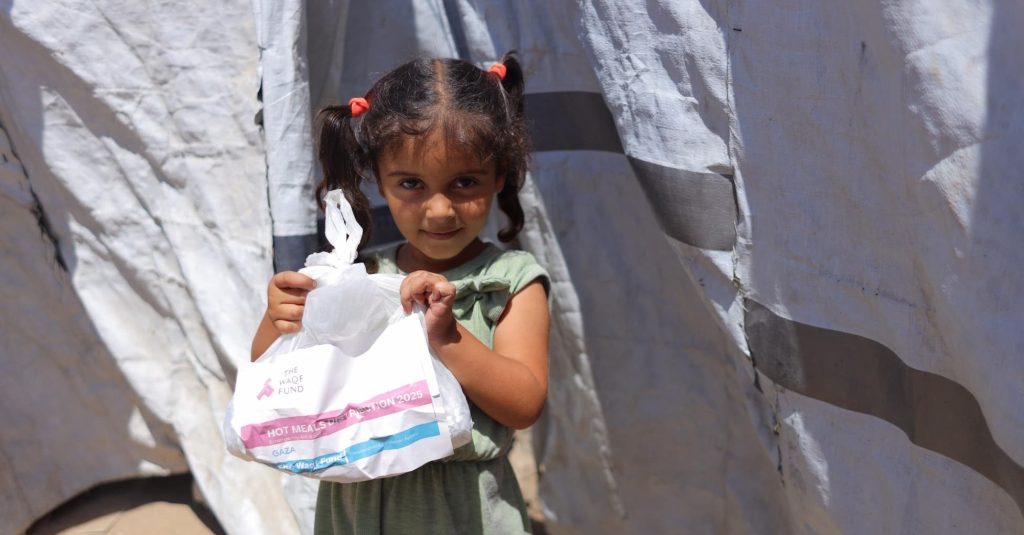
Providing meals for a hungry family.
Giving a small sum to a person in need.
Distributing clothes to the underprivileged.
While both are praiseworthy, Sadaqah Jariyah ensures a legacy of continuous rewards.
Common Forms of Sadaqah in the Muslim Community
The forms of Sadaqah practised by Muslims are as diverse as the needs they aim to fulfil. Some common examples include:
Supporting Education: Donating to build schools or fund scholarships, aligning with the concept of educational endowment (Waqf).
Healthcare Aid: Funding hospitals, medical treatments, or health-related campaigns. Water Projects:
Constructing wells or water distribution systems for communities in need.
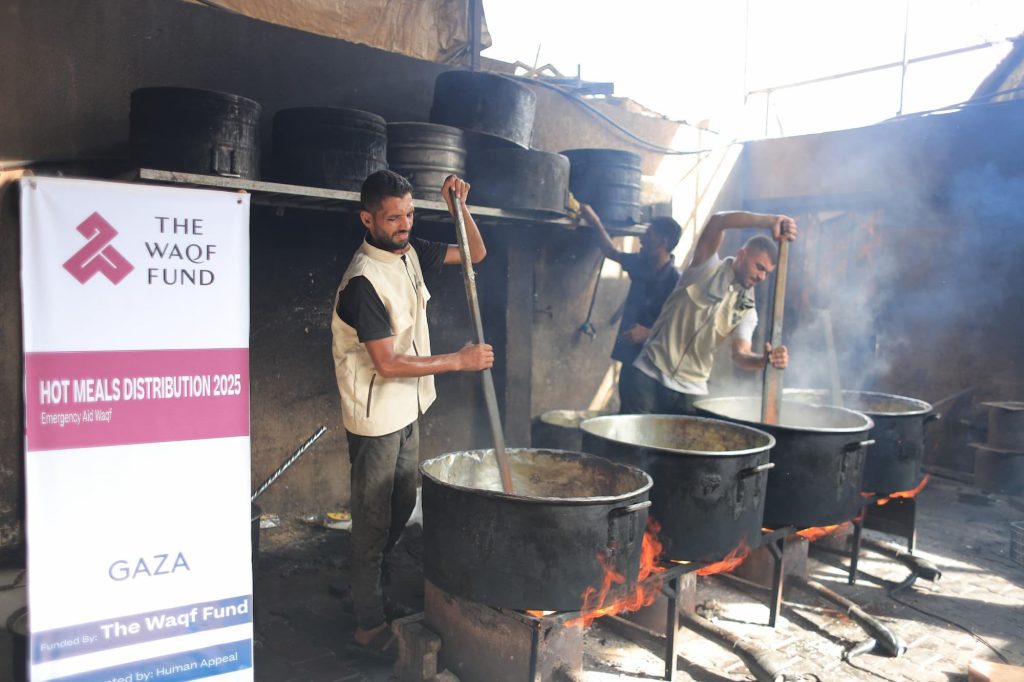
Feeding the Poor: Organising food drives or paying for meals.
These initiatives demonstrate how Sadaqah can address critical social needs, embodying the spirit of Islam’s community-oriented values.
Spiritual Sadaqah: Prayers, Smiles, and Good Deeds
In Islam, Sadaqah isn’t confined to material contributions. Spiritual acts, often overlooked, are also powerful forms of charity.
Examples of Spiritual Sadaqah:
Prayers and Duas: Making heartfelt prayers for others.
Smiling: The Prophet Muhammad (peace be upon him) said, “Smiling in the face of your brother is an act of charity.”
Reconciliation: Mediating disputes and fostering harmony.
Teaching: Sharing beneficial knowledge that others can use.
These simple acts highlight that everyone, regardless of wealth, can practice charity daily.
Choosing the Right Type of Sadaqah for You
Selecting the correct type of Sadaqah depends on your abilities and the needs of your community. Consider these steps:
Assess Your Resources: Identify what you can offer, whether it’s time, money, or skills.
Align with Long-Term Impact: Opt for initiatives like Sadaqah Jariyah or Waqf, which leave a lasting legacy.
Leverage Online Platforms: Many organisations allow you to contribute to water, education, or health projects online, making it easier to participate in global causes.
By understanding the various types of charity in Islam, you can make a meaningful contribution to the welfare of others.
Difference Between Waqf, Zakat, and Sadaqah Jariyah
While all are forms of Islamic charity, each serves a distinct purpose:
Zakat
A mandatory pillar of Islam, Zakat involves giving a fixed portion of one’s wealth annually to purify earnings and assist the underprivileged.
Sadaqah Jariyah
A form of ongoing voluntary charity, Sadaqah Jariyah supports projects with long-term impact, such as building infrastructure or funding education.
Waqf
A type of endowment, a Waqf is a donation of an asset or property that generates sustainable benefits, often funding community projects such as schools or mosques. Waqf aligns closely with Sadaqah Jariyah, as both focus on creating enduring impacts.
Ready to Make a Difference?
Your contribution to Sadaqah can transform lives and strengthen your bond with Allah, whether you choose to donate financially or offer acts of kindness; every effort matters.
Explore opportunities to participate in Sadaqah Jariyah or establish a Waqf to leave a lasting legacy of goodwill. Visit our dedicated page on Sadaqah Jariyah and Waqf projects to learn more and contribute to impactful causes today.
Remember, charity in Islam is not just a duty, it’s a pathway to spiritual growth and social harmony. Embrace the opportunity to give, and reap the rewards in this world and the Hereafter.
“We don’t just collect donations. We build endowments that give forever.”
Why is Sadaqah Jariyah the best charity in Islam?
What makes Sadaqah Jariyah distinct from other forms of charity?
Sadaqah Jariyah, or ongoing charity in Islam, is distinct from other forms of charity because of the continuous rewards to the donor and the ongoing impact on the recipients. The Prophet Muhammad (ﷺ) said, “When a man dies, his deeds come to an end except for three things: Sadaqah Jariyah (ongoing charity), a knowledge which is beneficial, or a virtuous descendant who prays for him (for the deceased).” (Sahih Muslim, Book 13, Hadith 4005) So, what makes Sadaqah Jariyah distinct, and what are the benefits of Sadaqah Jariyah? Here are the two main aspects:
Sadaqah Jariyah Enduring Benefit
Unlike one-time acts of charity, Sadaqah Jariyah represents the flowing, running, and ongoing charity in Islam, it provides ongoing benefits. For example, building a water well, funding an educational institution or healthcare centre, planting a tree, and helping orphans can benefit people for many years.
The Continuous Rewards of Sadaqah Jariyah
Sadaqah Jariyah is a ceaseless charity; this means that as long as the charitable act continues to benefit others, the donor earns continuous rewards, even after their death. It is a good deed that leaves a lasting impact on people’s lives and is a great afterlife investment.
Sharing knowledge is another valuable form of ongoing charity in Islam. If you possess specific skills or expertise, consider teaching them to others. This act can have a lasting and positive impact on their lives.
Examples of Sadaqah Jariyah
It was narrated that Saad bin Ubadah said: “O Messenger of Allah, what charity is best?’ He said: ‘Giving water to drink.'” Sunan Ibn Majah 3684.
1) Providing Clean Water: Clean water is a basic human need, yet around the world, millions of people are still deprived of it. Providing help in the form of donating or financing the construction of a water well is an example of Sadaqah Jariya that is very rewarding and can change lives for the better.
2) Building mosques: Building mosques as a Sadaqah Jariyah holds an exceptional reward in Sunnah as the Prophet Muhammad said, “Whoever builds a mosque for Allah, Allah will build for him a house in Paradise.” (Sahih Bukhari). This means that as long as the mosque is used for worship and community activities, it also continues to bring blessings to the giver even after their death
3) Orphan support: Helping to provide ongoing care for orphans through education, healthcare, and basic needs is another way to give Sadaqah Jariya. Messenger of Allah (ﷺ) said, “I will be like this in Jannah with the person who takes care of an orphan”. Messenger of Allah (ﷺ) raised his forefinger and middle finger by way of illustration.
4) Publishing a beneficial book: Another form of ongoing charity in Islam is publishing a beneficial book for Muslims to read and benefit from, such as the Qur’an. This also applies to contemporary and classical works as well.
5) Plant a Tree: Planting a tree is a simple yet effective method to give Sadaqa Jariyah. Trees offer shade, improve air quality, and help prevent soil erosion, providing sustainable environmental and community benefits.
How to Incorporate Sadaqah Jariyah into Our Daily Lives
It is easy to include Sadaqah Jariyah in one’s everyday routine, and one doesn’t necessarily have to spend a lot of money to do so. In fact, it’s the minor acts of kindness that make a difference and can have a ripple effect that goes well beyond our time on this earth.
A Muslim should try to change the objects of his or her charity so as to get blessings from different sources. For instance, you may set apart some of your wealth for the needs of the orphans, another part for the construction of a mosque, and the other part for the dissemination of books and the holy Qur’an and so on.
The Lifelong Rewards of Sadaqah Jariyah
The rewards are not limited to the donor’s lifetime. These acts of charity continue to generate rewards as long as they benefit others.
The Prophet Muhammad (ﷺ) said, “Whoever starts a good deed and it continues after him will receive rewards as long as it continues.” (Sahih Muslim, Book 16, Hadith 33)
It means that each time someone uses the well, learns in the school, or benefits from the tree or from any ongoing charity in Islam, the donor earns rewards.
How Sadaqah Jariyah Benefits the Community
Giving Sadaqah Jariyah often focuses on long-term community welfare projects. These projects address ongoing needs and improve the quality of life for many people over time.
The Prophet Muhammad (ﷺ) said, “The believers, in their mutual kindness, compassion and sympathy, are just like one body. When one of the limbs suffers, the whole body responds to it with wakefulness and fever.” (Sahih Bukhari, Book 7, Hadith 262)
Waqf is the best form of Sadaqah Jariyah
The sustainable impact of waqf: The charitable purpose of Islamic Waqf is preserved for generations. Once it is established, it can’t be sold, gifted, or inherited, and that is quite different from the immediate relief provided by a one-time donation.
The broad scope of waqf: Waqf can support wider activities that individuals rarely handle alone, such as establishing educational organisations and healthcare centres, social services collaboration, and infrastructure.
Waqf and Community support: Waqf strengthens community bonds by aligning communities for bigger goals that influence the quality of life of the local and wider community, and fosters a culture of giving and mutual support.
Religious Significance of waqf: Seen as a way to earn continuous rewards by considering the waqf as (Sadaqah Jariyah) even after one’s death. Establishing an Islamic Waqf provides ongoing benefits to ensure that the donor continues to receive spiritual rewards
When is the Best Time to Give Sadaqah?
Sadaqah is a voluntary act of charity and performing it strengthens faith, bringing a deeper connection with Allah.
The Messenger of Allah ﷺ said, “Wealth does not diminish by giving Sadaqah (charity). Allah augments the honour of one who forgives; and one who serves another seeking the pleasure of Allah, Allah will exalt him in ranks.” (Hadith Muslim)
The benefit of giving
Giving charity lightens a heart, brings peace, shows obedience to Allah and also helps to make the world more just. The Prophet ﷺ said that:
“The believer’s shade on the day of resurrection will be his sadaqa.” (Mishkat al-Masabih)
But when are the special times to give sadaqah? Let’s explore them through some powerful ahadith.
Giving sadaqah in Ramadan
The Prophet Muhammad ﷺ was the most generous of people, and he was most generous during Ramadan. “If someone draws near to God during it with some good act, he will be like one who fulfils an obligatory duty in another month, and he who fulfils an obligatory duty in it will be like one who fulfils seventy obligatory duties in another month. It is the month of endurance, and the reward of endurance is paradise. It is the month of sharing with others,” (Mishkat al-Masabih Hadith 1965)
First Ten Days of Dhul-Hijjah
The Prophet Muhammad (peace be upon him) said, “There are no days on which righteous deeds are more beloved to Allah than these ten days of Dhul-Hijjah.” (Bukhari)
Sadaqah during sickness
The Messenger of Allah ﷺ said, “Treat your sick ones with charity.” (Saheeh al-Jaami)
During times of hardship
Good deeds and behaviour, especially during hardship can offer protection.
“Give charity without delay, for it stands in the way of calamity.” (Al-Tirmidhi)
In times of ease
Those who spend their wealth in Allah’s cause are like grains of corn which produce seven ears, each bearing a hundred grains. (Quran, 2:261)
Charity, at heart, is an investment – in the world and people around us, and in your akhirah. It doesn’t matter how much or what form it comes in, so long as you are giving sincerely for the sake of Allah.
Sadaqah to mark life events: birth, marriage, graduation
Sadaqah can have a significant impact on health and family relationships. The Prophet ﷺ said, “When a Muslim spends something on his family intending to receive Allah’s reward, it is regarded as Sadaqah for him.” Sahih al-Bukhari 5351
An aqiqa is also a form of sadaqah and one of the Prophet’s ﷺ sunnahs, which brings blessings and protection to a newborn child by offering a sacrifice.
The Prophet Mohamed ﷺ encouraged us also to celebrate good occasions like marriage generously. He ﷺ asked Abudlrahamn Ibn Auf about his marriage, “How much Mahr did you pay her?” He said, “I paid gold equal to the weight of a date stone.” Allah’s Messenger ﷺ said to him, “Give a wedding banquet, even if with one sheep.” (Sahih al-Bukhari)
The best times in the calendar to give sadaqah
Particular times throughout the year when giving charity is encouraged and rewarded include:
1- Ramadan: when good deeds are believed to be multiplied many times over.
2- Eid al-Fitr and Eid al-Adha: These holy and festive days are also times when Muslims are encouraged to give sadaqah and share the joy and blessings of Eid with those in need.
3- The first 10 days of Dhul Hijjah: Sadaqah is highly rewarded during these days, especially on the Day of Arafah and Eid al-Adha.
4- The 15th night of Sha’ban is said to be one of the greatest nights of the year. On this night, Allah descends to the lowest heaven to forgive repenting Muslims. Therefore, we should seek Allah’s forgiveness by making dua and offering sadaqah.
Not only is giving charity a beautiful act of social justice, but it’s also beneficial to the person who gives, cleansing their soul, teaching selflessness, and protecting them from harm.
Waqf in Islamic History
The History of Waqf in Islam
Among the endowments that were famous among the Arabs before Islam was the Waqf for the Holy Kaaba, which tailored its cloth and rebuilt it whenever it needed maintenance. The first to cover the Kaaba and to endow it was As’ad Abu Kurayb, king of Himyar.
The first Waqf in Islam was the Qibaa Mosque, which was founded by the Prophet, peace and blessings be upon him, then the Prophet’s Mosque, when he came to Medina as an immigrant.
The first charitable Waqf known in Islam was the Waqf of the seven orchards in Medina, which belonged to a Jewish man named Mukhayriq. He bequeathed them to the Prophet, peace and blessings of God be upon him, when he decided to fight with the Muslims in the Battle of Uhud. He said in his will: “If I am injured – that is, killed, then my money is for Muhammad – he will put it wherever God shows him”. When he was killed, the Prophet (pbuh) took possession of those seven orchards and dedicated them as a charitable Waqf.
Omar ibn al-Khattab, may God be pleased with him, established what was said to be the second Waqf in Islam. In the hadith, he acquired land in Khaibar, so he came to the Prophet, peace and blessings of God be upon him, and said: O Messenger of God, I have acquired land in Khaibar. I have never acquired property more valuable to me than this, so what do you command me to do with it? Thereupon, he (Allah’s Apostle) said: If you like, you may keep the corpus intact and give its produce as Sadaqah. So ‘Umar gave it as Sadaqah, declaring that property must not be sold or inherited or given away as a gift. And Umar devoted it to the poor, to the nearest kin, and to the emancipation of slaves, aired in the way of Allah and guests” – Sahih Muslim, Book 25, Hadith 21.
Othman bin Affan bought the well of Rumah and dedicated it as a Waqf for all muslims, and Ali bin Abi Talib gave alms in Yanbu, Wadi Al-Qura, Al-Udhayna and Ra’a for the sake of God.
In the Umayyad Era, there was a dramatic development in the management of Awqaf. In the past, the Waqif was responsible for his Waqf and supervising its care and management; in the Umayyad Era, special bodies were established to supervise the Awqaf, and an independent office was created to register them.
Umayyad Mosque
The Umayyad Caliph Al-Walid ibn Abd al-Malik was the first to establish hospitals for the sick, and he built the Umayyad Mosque and ordered the digging of Waqf water wells.
The Umayyad caliphs were interested in building bridges and arches and dedicated Awqaf for them.
Omar ibn Abd al-Aziz ordered the construction of an arch in Cordoba, and the Umayyads were also interested in building Gauges on flowing rivers; the most famous of which was the Helwan Gauge in Egypt, which was built by Abdul Aziz bin Marwan in succession to his brother Abdul Malik bin Marwan.
During the Abbasid Era, the Awqaf had a special administration independent of the judiciary, with a head called “Sadr Al Awqaf”. This administrative development was accompanied by a useful scientific effort to control the provisions of the Waqf, the methods of disposing of them and the protection of its properties from loss.
The jurists devoted special books to it and devoted extensive chapters to it in the jurisprudence codes. This development and expansion in caring for the Awqaf led to them playing a major role in social development throughout Islamic history.
In the Abbasid Era, the institution of the Caliphate paid great attention to the healthcare Awqaf. Hospitals spread, and the caliphs brought in senior doctors and books by leading medical scholars and dedicated them to the public hospitals’ Waqf. They also paid attention to establishing religious, charitable, social and economic Awqaf. Scholars and businessmen played a major role in contributing to public and private Awqaf.
An example of this is the imam Abd al-Malik bin Muhammad al-Kharkushi al-Naysaburi, who built a school and a home for the sick, established a Waqf, and had a bookcase dedicated to a Waqf.
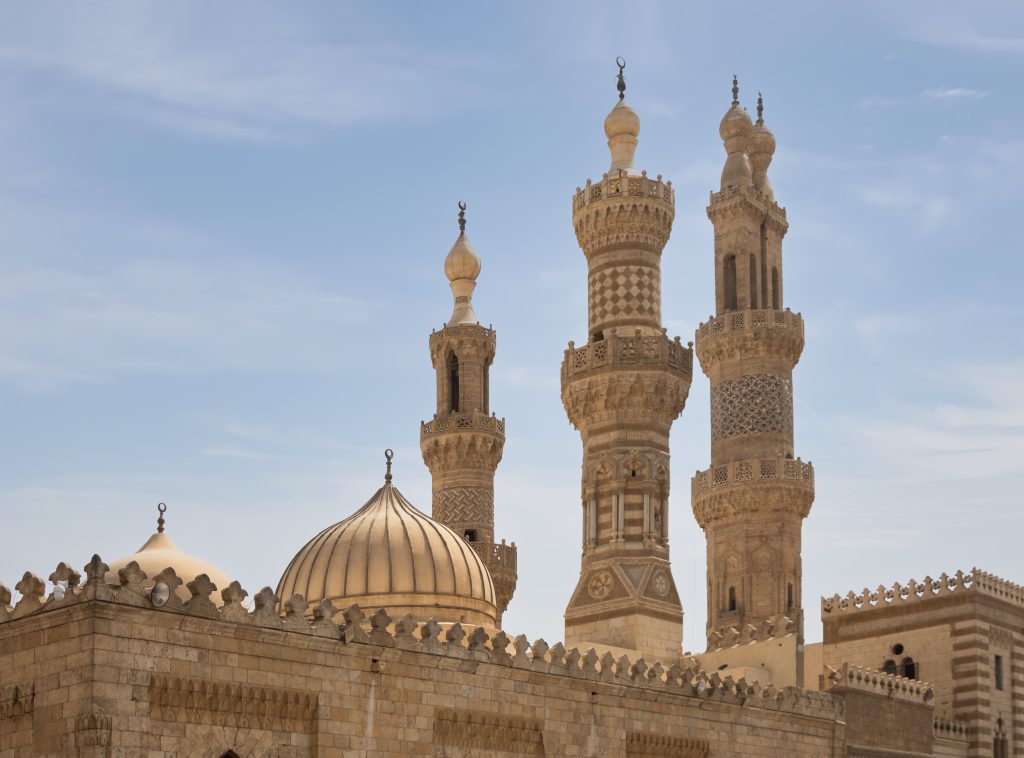
Al-Azhar Al-Sharif Mosque
One of the most famous Awqaf during the Fatimid Era was the Cairo Mosque, built after Jawhar al-Siqilli’s conquest of Egypt in the year 969 AD. He was later known for Al-Azhar Al-Sharif Mosque and then Al-Azhar University.
The Zengid and Ayyubid states were not isolated from the world of Islamic Awqaf. Rather, these two states played essential roles in organising the affairs of society and improving the condition of the people. Their period witnessed the spread of some types of Awqaf that were once few, such as Awqaf for schools and orphanages.
Ibn Jubayr described these Awqaf and said: “The orphan boys have a large council in the country with a dedicated Waqf, from which the guardian takes funds and spends from it on the boys for their care and clothing, and this – also – is one of the strangest things that is reported as one of the glories of this country”.
Sultan Saladin al-Ayyubi is considered one of the most famous sultans who revived the value of the concept of the Waqf internationally. He built a school in Cairo and established the Salahia Waqf school in Jerusalem. After Saladin al-Ayyubii, the Ayyubid princes were keen to establish Waqf schools, so King al-Adil built his famous school (Al-Adiliyya School in Damascus). Perhaps one of the most peculiar and beautiful types of Waqf in this period was the “Palace of the Poor” which Nour Al Din Zenky established in Damascus.
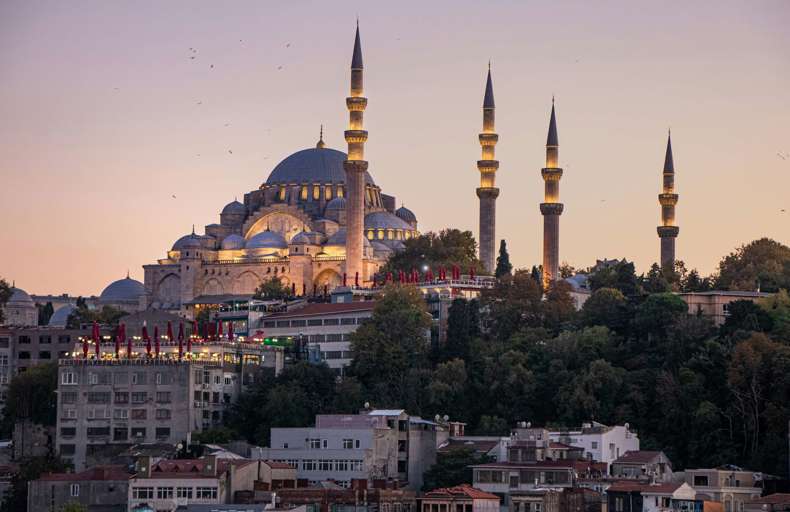
Suleymaniye Mosque
Waqf in the Ottoman era
The Ottoman sultans took care of the Awqaf to a remarkable degree. This was especially true among the women of Bani Uthman.
The Awqaf proceeds were expanded to include medical colleges and medical services for existing hospitals, to keep pace with development and scientific progress in contemporary times.
They focused on building schools, vocational training, providing money to orphans and widows, caring for the elderly and the disabled, securing funds for debtors, ensuring breastfeeding of children, caring for disabled adults, preparing girls for marriage, securing the needs of travelers, providing work for the unemployed, marrying young men who were unable to pay the expenses of marriage, building water canals, constructing bridges, building waterways inside cities and external roads, building khans, bathrooms, and roads, digging wells, providing food to wayfarers, travelers, the poor, and the needy, and feeding the birds.
Choose the Waqf you would like to allocate your donation to, in order to reap the reward of Sadaqah Jariyah today!
Best Sadaqah Jariyah For Deceased
How Sadaqah Jariyah Can Honour Deceased Loved Ones
The loss of a loved one is a deeply emotional experience, and for many Muslims, the desire to continue honoring and benefiting the deceased remains strong. Islam teaches that while a person’s deeds come to an end upon their passing, there are certain actions that continue to bring them blessings—one of the most powerful being Sadaqah Jariyah.
Sadaqah Jariyah, or ongoing charity, is an exceptional means of ensuring that the rewards for good deeds continue to benefit the deceased in the Hereafter. By engaging in meaningful charitable acts, such as supporting education, providing clean water, or contributing to sustainable projects through organisations like the Waqf Fund, individuals can uphold the legacy of their loved ones while fulfilling a vital aspect of Islamic teachings on charity.
This article explores the significance of Sadaqah Jariyah for the deceased, the best forms of Sadaqah Jariyah for deceased loved ones, and practical ways to engage in ongoing charity that will bring eternal rewards for both the giver and the departed.
What is Sadaqah Jariyah?
Sadaqah Jariyah refers to acts of charity that provide continuous benefits over time. Unlike one-time donations, these charitable deeds create a lasting impact, ensuring that both the giver and the recipient continue to reap rewards.
Key Characteristics of Sadaqah Jariyah:
Long-Term Benefit: The charity continues to be useful long after it is given.
Continuous Reward: The giver (or a deceased loved one in whose name it is given) continues to earn blessings as long as people benefit from it.
Encouraged in Islam: The Prophet Muhammad (ﷺ) emphasised the significance of Sadaqah Jariyah in multiple hadiths, one of which states: “When a person dies, his deeds come to an end except for three: Sadaqah Jariyah, knowledge that benefits others, or a righteous child who prays for him.” (Muslim, 1631) Through this powerful form of charity, believers can continue serving humanity while securing blessings for their deceased loved ones.
The Importance of Sadaqah Jariyah for the Deceased
Islam emphasises that a person’s actions continue to shape their fate even after their passing. This is why Sadaqah Jariyah for deceased loved ones is so essential; it allows them to continue benefiting from good deeds even in the grave.
Islamic Teachings on Sadaqah Jariyah for the Deceased
The Prophet Muhammad (ﷺ) encouraged giving charity on behalf of deceased loved ones. A man told the Prophet (saw) that his mother died a sudden death and did not have a chance to leave a legacy in her will, and that if she were able to speak, she would want to donate to charity. He then asked if the reward of charity on behalf of his deceased mother would reach her, to which the Prophet (peace and blessings be upon him) replied, “Yes.” [Muslim]
Acts of charity, such as building a well, supporting an orphanage, or planting trees, ensure that the rewards for the deceased continue indefinitely. Sadaqah for deceased parents is one of the best ways to demonstrate love, respect, and remembrance for those who have passed. By investing in meaningful and sustainable charity, we can provide immeasurable comfort and benefit to our departed loved ones in the Hereafter.
Best Forms of Sadaqah Jariyah for the Deceased
There are many impactful ways to offer Sadaqah Jariyah for deceased loved ones, ensuring they receive lasting rewards. Some of the most effective forms include:
a) Sponsoring Education
Supporting schools, orphanages, or scholarship programs helps spread knowledge, benefiting both students and the deceased. The Prophet (ﷺ) said, “The best among you are those who learn the Qur’an and teach it.” (Bukhari, 5027)
b) Providing Clean Water
Funding water wells, boreholes, or water filtration projects ensures that entire communities benefit. The Prophet (ﷺ) described providing water as one of the best forms of charity: “The best charity is giving water to drink.” (Ahmad, 17058)
c) Contributing to Masjid or Waqf Projects
Donating to the construction or maintenance of mosques and Islamic centres allows people to pray and seek guidance, continuously benefiting the deceased. The International British Waqf facilitates such initiatives, helping individuals contribute effectively.
d) Planting Trees and Sustainable Agriculture
Trees provide shade, fruit, and oxygen, benefiting people, animals, and the environment.
The Prophet (ﷺ) said: “If a Muslim plants a tree or sows seeds, and then birds, animals, or people eat from it, it is regarded as Sadaqah for him.” (Bukhari, 2320)
By engaging in any of these charitable actions, we ensure that our loved ones’ legacies remain alive and beneficial for generations to come.
Honouring Deceased Parents Through Sadaqah
For those who have lost their parents, Sadaqah Jariyah presents a unique opportunity to continue fulfilling their rights even after their passing.
Meaningful Sadaqah Jariyah for Parents
Building a school or sponsoring Islamic education in their name.
Funding a hospital or medical aid program to help the needy.
Establishing a perpetual Waqf through organisations like the International British Waqf.
By performing such acts of charity, one can bring immense rewards and blessings to their parents in the Hereafter.
How to Donate Sadaqah Jariyah for Deceased Loved Ones
To effectively donate Sadaqah Jariyah for deceased loved ones, follow these steps:
Identify a Cause – Choose an initiative that aligns with Islamic teachings and provides long-term benefits.
Select a Reputable Organisation – Organisations like the International British Waqf ensure sustainable impact through their Waqf-based charity model.
Make the Donation in Their Name – Specify that the donation is made on behalf of a deceased loved one.
Encourage Others to Join – Involve family and friends to maximise the impact and rewards.
By selecting authentic and impactful initiatives, we can ensure that our charity continues to bring blessings for years to come.
Sadaqah Jariyah for Deceased: Stories of Lasting Impact
Many families have honoured their deceased relatives through Sadaqah Jariyah for deceased initiatives by investing in a Waqf. Unlike one-time donations, Waqf shares create a lasting legacy by funding sustainable charitable projects that generate continuous rewards for the deceased.
By donating to Waqf shares, your contribution is invested in Shariah-compliant projects, such as real estate and socially impactful ventures. The profits are then used to fund long-term humanitarian projects, such as building schools, providing medical aid, and ensuring access to clean water. A portion of the returns is reinvested annually, ensuring that the impact of your donation continues to grow over generations.
How You Can Honour Your Loved Ones with Waqf Shares
Ensure Continuous Rewards – Unlike traditional donations, Waqf shares provide Sadaqah Jariyah for deceased parents by generating ongoing benefits that support vulnerable communities.
Receive Transparency & Accountability – Donors receive endowment certificates, along with annual reports detailing investments, returns, and the humanitarian projects funded.
Donate Any Amount – There is no minimum donation. Whether you contribute a small or large amount, your Waqf grows over time, making every contribution valuable.
Expand Your Impact Globally – With The Waqf Fund, your donations support sustainable development initiatives worldwide, from education to healthcare.
By choosing the best Sadaqah Jariyah for deceased loved ones through Waqf investments, you ensure that their legacy lives on and continues to uplift lives for generations to come.
The Spiritual Rewards of Sadaqah Jariyah for the Deceased
Engaging in Sadaqah Jariyah for deceased loved ones comes with profound spiritual benefits:
Increased Mercy and Forgiveness – Charity is a means of seeking Allah’s mercy for the deceased.
Continuous Rewards – The giver and the deceased both benefit eternally.
Elevated Status in the Hereafter – The deceased may receive higher ranks in Jannah due to ongoing charity given in their name.
FAQs
It provides continuous rewards by benefiting others long after their passing.
It fulfills their need for ongoing good deeds and grants them eternal blessings.
Yes, and it is highly encouraged in Islam.
Education, clean water, masjid donations, and sustainable charity projects.