What is Istikhara and how can it change your life?
The simple prayer that changes destinies
What is istikhara?
Istikhara is a prayer that helps you to make decisions – big or small – and a submission to Allah’s divine knowledge.
It’s a sunnah that the Messenger ﷺ encouraged the sahaba to do for all matters, in combination with seeking advice from people of knowledge.
How to pray istikhara?
Continue to pray the following sequence until your dua is answered
Set a pure intention for Allah to guide you and work to avoid sins so that your dua is not compromised. Ensure you are praying for something halal and that is not harmful.
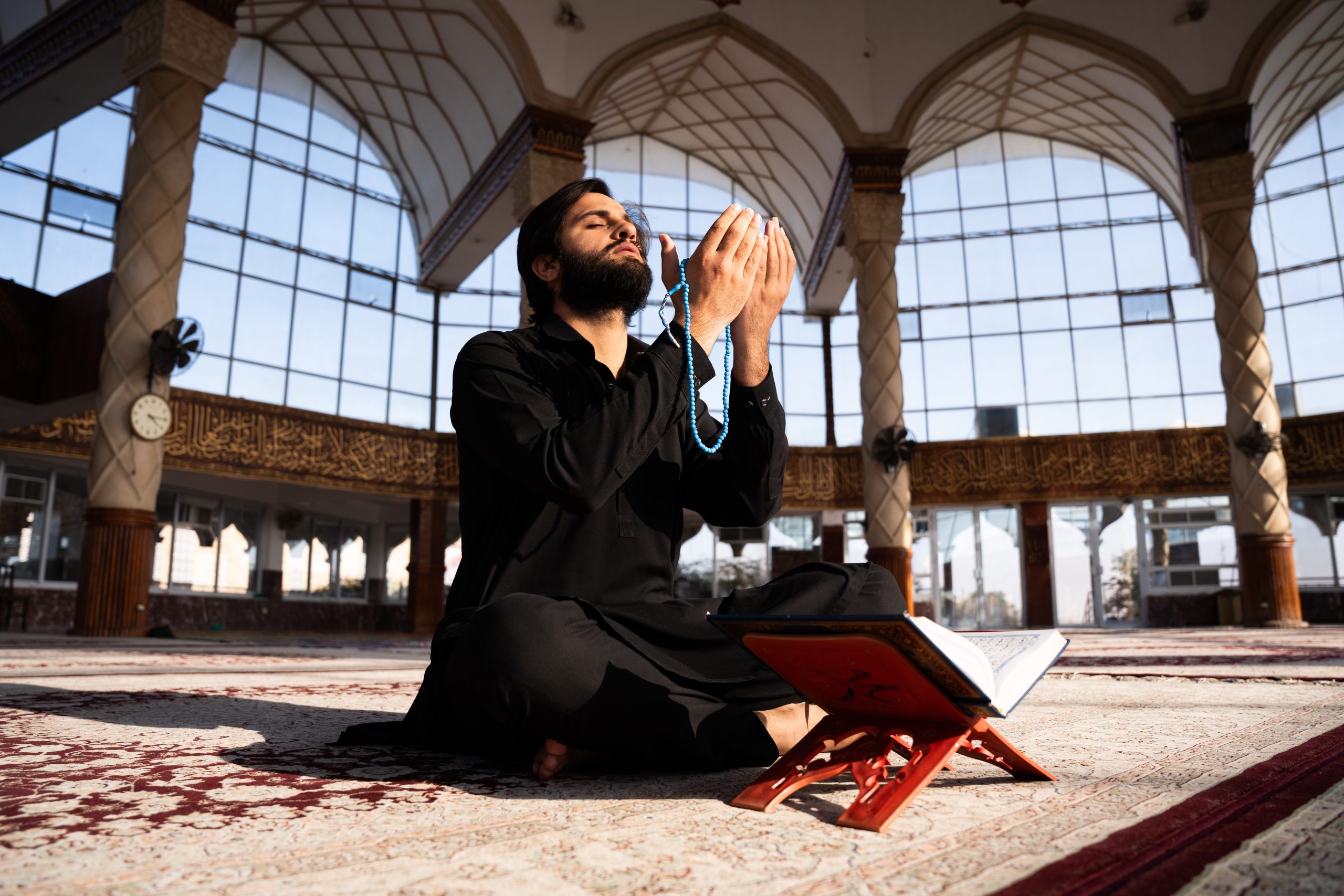
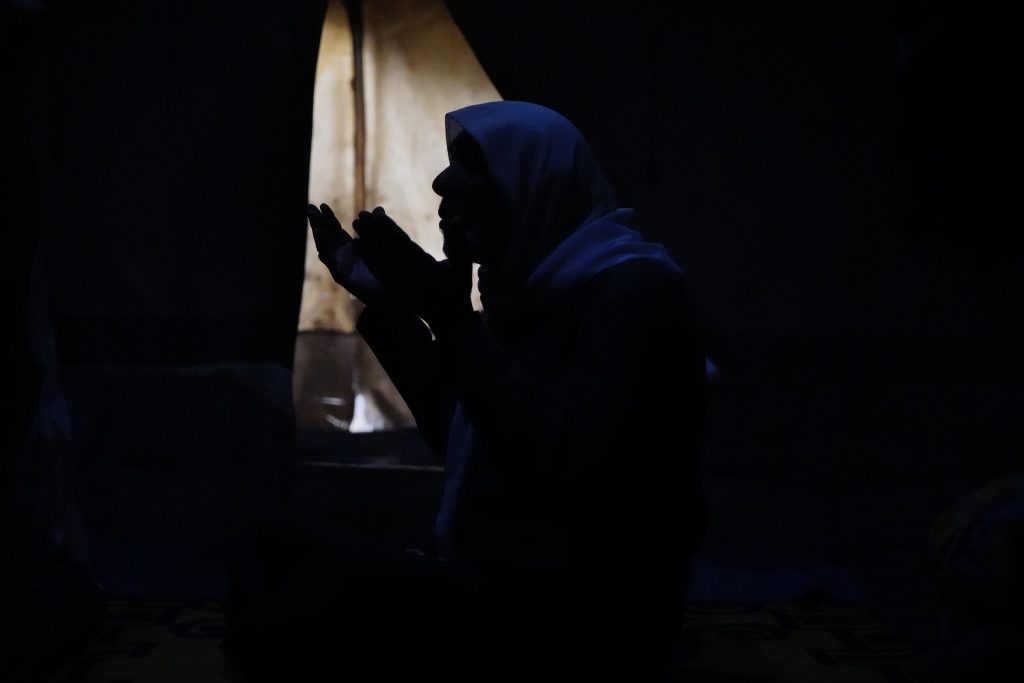
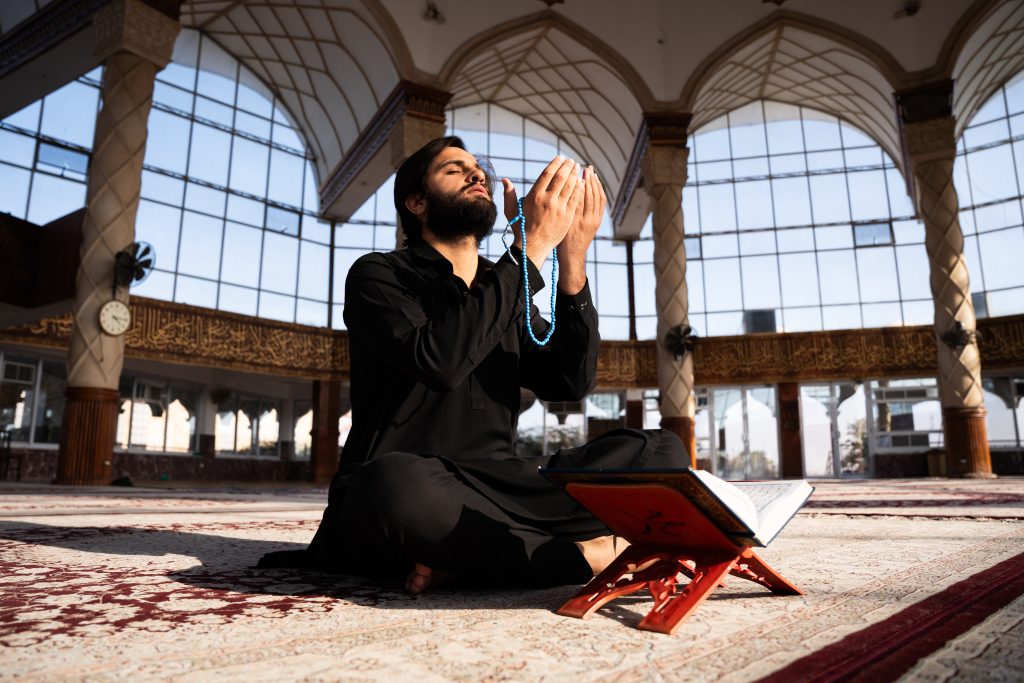
It is sunnah to make wudu and pray 2 rakat of namaz (salah) first, but it is also permissible to recite the istikhara prayer without the salah, especially if you are unable to pray or make wudu (such as during menstruation).
Allahumma innee astakheeruka bi ‘ilmika wa astaqdiruka bi qadratika wa as’aluka min fadlika al-’adheem fa innaka taqdiru wa la aqdiru wa ta’lamu wa la a’lamu wa anta ‘allaam ul-ghuyoob. Allahumma in kunta ta’lamu anna haadha al-amra [mention the thing to be decided here] khayrun lee fee deenee wa ma’aashee wa ‘aaqibati amree faqdurhu lee wa yassirhu lee thumma baarik lee feehi wa in kunta ta’lamu anna haadha al-amara sharrun lee fee deenee wa ma’aashee wa ‘aaqibati amree fasrifhu ‘annee wasrifnee ‘anhu waqdur lee al-khayra haythu kaana thumma ardinee bih
Translation of istikhara dua:
O Allah, I seek Your guidance (in making a choice) by virtue of Your knowledge, and I seek ability by virtue of Your power, and I ask You of Your great bounty. You have power, and I do not. You know, and I know not, and You are the Knower of the unseen. O Allah, if You know that this matter [mention the thing to be decided] is good for me in my religion, my livelihood, my worldly affairs, and in the hereafter then decree it for me, make it easy for me, and bless it for me. And if You know that this matter is bad for me in my religion, my livelihood, my worldly affairs, and in the hereafter then turn it away from me and turn me away from it, and decree for me the good wherever it may be and make me content with it [Sahih al-Bukhari #6382].
How to know if my istikhara has been answered?
There are many misconceptions that istikhara will be followed by signs, but the reality is that Allah makes easy for you the right path, and makes difficult the one that is not blessed.
An example of an answered istikhara dua could be: You have to make a decision to take a new job abroad or stay in your current job. You consistently pray istikhara and now you start to have issues at your current job, and you keep hearing positive things about the new country. Maybe your heart feels inclined to the change, or maybe you encounter practical examples of the path to the right decision.
There are many ways istikhara prayer can be answered, but having faith that Allah will guide you ultimately ensures you feel at peace with your decisions.
Sadaqah as a blessing
Giving charity is another way that people bless their successes, health, life, and decisions.
The Messenger of Allah ﷺ said, “Give charity without delay, for it stands in the way of calamity” (Al-Tirmidhi).
Giving charity when making a decision can help to bless your path and protect you from harmful choices.
Donate a waqf from as little as £3 and it’ll continue to bless you forever since your charity is never spent. Find out more about how waqf works.
كثيرٌ منا يحرص على بِرِّ والديه وفاءً للتضحيات التي قدماها، ويتساءل البعض: هل يمكننا أن نَبَرَّهما بأموالنا؟ وهل يُحتسب ذلك صدقةً إذا فعلنا؟
الصدقة عملٌ خيريٌ تطوعي، قد يكون طعاماً، أو مالاً، أو تعليم مهارة، أو حتى تبسّمك في وجه أخيك؛ لكن الإسلام يميّز بوضوحٍ بين الصدقة والواجب. فعندما يكون أفراد العائلة، كالوالدين، في حاجةٍ مالية، يصبح دعمهم واجباً شرعياً، وهو أمانةٌ في أعناق الأبناء.
في هذه الحالة، يعتبر الإنفاق المادي على والديك حقاً واجباً، وليس صدقةً تطوعية. ومن عظمة ديننا الحنيف أننا نُؤجر أيضاً على واجباتنا، مع خصوصية التشريع والثواب.
قال النبي ﷺ: "أنت ومالك لأبيك"
وهو ما يفسره العلماء بأن للوالد الحق في استخدام مال ابنه لتلبية احتياجاته الأساسية، وفق ضوابط ومعايير معلومة. وقد أجمع العلماء من مختلف المذاهب الفقهية على أن الابن الراشد مسؤول عن الاحتياجات الأساسية لوالديه اللذين لا يستطيعان إعالة نفسيهما.
1. هل تجوز الزكاة على الوالدين؟
شرع الله الزكاة لإرساء مبدأ التكافل الاجتماعي، يؤديها الغنيُّ من فائض ماله لتصل إلى المحتاجين في المجتمع. لذا، فهي ليست وسيلةً لدعم مَن تجب عليك نفقتهم شرعاً؛ ففي ذلك مخالفةٌ لحكمة الزكاة التي تقتضي التوسع في العطاء خارج نطاق الأسرة. وعليه، إن كان والداك في حاجة، فإن دعمهما واجبٌ عليك من مالك الخاص كحقٍّ من حقوق البرّ، ولا يصحُّ إخراجه من زكاة مالك، ولا يُعدُّ في ميزان الشرع صدقةً تطوعية.
2. ماذا لو لم يكن والداي في حاجةٍ مالية؟
إذا كان والداك في غنىً عن الدعم المادي، فإنَّ ما تقدمه لهما من مالٍ أو هدايا يخرج من دائرة “الواجب” ليدخل في رحاب “البرّ والودّ”. إنَّ هذا العطاء -وإن لم يكن لسدِّ حاجةٍ- يُعدُّ من أعظم أبواب القُربات؛ فهو تعبيرٌ عن الامتنان، ولفتةٌ طيبةٌ تزيدُ من أواصر المحبة. وهو من صميم أعمال “بر الوالدين” التي تشمل الزيارة، والكلمة الطيبة، والخدمة، وإسعادهما بكلِّ سبيلٍ يملأ قلبيهما بالرضا.
3. النية في برّ الوالدين
النيةُ هي روحُ العبادة ومحركها؛ فقد علّمنا النبي ﷺ أنَّ “الأعمال بالنيات”. فإذا كان إنفاقك على والديك لسدِّ احتياجاتهم، فإنَّ نيتك هي أداءُ الواجب وابتغاءُ مرضاة الله؛ وهذا برٌّ جليلٌ تتقرب به إلى الخالق، وإن لم يُصنَّف صدقةً بمفهومها الشرعي التقني. أما إن كنت تبادرُ بعطاءٍ فوق الحاجة وهما في غنىً، بدافعِ الامتنان والمحبة، فإنَّ الله -بفضله- يضاعفُ لك الأجر ويتقبله كصدقةٍ تطوعية. في كلتا الحالتين، يظلُّ صدقُ قلبك ونقاءُ نيتك هما الميزان الذي يُوزن به عملك عند الله.
4. أيُّ نوعٍ من الصدقة يمكنني تقديمه لوالديّ؟
بينما يظلُّ الإنفاقُ الواجبُ واجباً، يفتحُ الله لنا أبواباً للصدقة الجارية التي تُهدي والدينا أجراً لا ينقطع؛ فقد شرع الإسلام لنا سبلاً للبرِّ بهما، منها:
التبرع لمشاريع الوقف والصدقات الجارية باسمهما: كحفر بئرٍ، أو بناء مدرسة، أو دعم مشروع صحي؛ فهي أصولٌ تجري عليهما حسناتها حتى بعد رحيلهما.
مشاركة الوالدين في الأجر: اجعل لوالديك نصيباً من كل صدقةٍ تُخرجها، واسأل الله بقلبٍ حاضرٍ أن يتقبلها عنهما.
نورُ الدعاء والقرآن: اقرأ القرآن، وأكثر من الدعاء لهما، واسأل الله أن يشملهما برحمته ويرفع قدرهما في الدنيا والآخرة.
قد علَّمنا النبيُّ الكريمُ ﷺ أنَّ الصدقةَ الجاريةَ، والعلمَ المنتفعَ به، والولدَ الصالحَ الذي يدعو لوالديه، تستمرُّ في نفعِ الإنسانِ حتى بعد الموتِ. فصدقتُك الجاريةُ ودعواتُك هي الزادُ الباقي لوالديك في هذه الحياة وفي دار البقاء.
فلتجعل برَّك بوالديك واحدةً من أعظمِ عباداتك، في إنفاقك، وسلوكك، ولا تنسَهما من صدقاتك.
إذا كان الوالدان بحاجة إلى المال وتقوم بإعالتهم، فإن ذلك يُعد نفقة واجبة لا صدقة؛ لأن إعالتهم من حقوقهم عليك ومن واجباتك في الإسلام
إذا كان الوالدان غير معتمدين عليك ماليًا ولكنك تمنحهم المال أو الهدايا تطوعًا ابتغاءً للأجر، فيمكن اعتبار ذلك نوعًا من الصدقة وبرّ الوالدين
لا يجوز دفع الزكاة للأبوين أو الأبناء؛ لأن إعالتهم واجب عليك. يجب مساعدتهم من مالك الخاص لا من أموال الزكاة
نعم. دعم الوالدين من أعظم الأعمال وأحبها إلى الله، فهو وإن لم يُسمَّ صدقة يحمل ثوابًا كبيرًا باعتباره طاعة وبرًّا
يمكن تكريم الوالدين من خلال التبرع بمشروع وقف باسمهم، أو المساهمة في حفر بئر ماء أو دعم التعليم أو الرعاية الصحية، والاستمرار في الدعاء لهم بالعافية والمغفرة
Fasting 6 Days of Shawwal: Reward, Rules & How to Start
The reward of a year of fasting
While fasting the entire month of Ramadan is an obligation on Muslims, fasting six days during the month of Shawwal is a sunnah that brings an abundance of reward. Since good deeds are rewarded in Islam 10 times their worth, fasting one month of Ramadan (equal to 10 months) and 6 days of Shawwal (equal to 60 days/ 2 months) brings the reward of fasting an entire year.
The Prophet ﷺ said, “Whoever fasts Ramadan and then follows it with six [days] from Shawwal, it’s as if they have fasted a year” [Sahih Muslim].
Maintaining the spirit of Ramadan
It’s rarely sustainable to maintain the enthusiasm and commitment we show to worship in Ramadan. But Ramadan was never meant to be for the entire year – instead it is a catalyst for us to reset and recentre our lives on our true purpose – worshiping Allah.
Ramadan gives us a chance to see what we’re capable of, allowing us to increase our day-to-day worship all year long. Add that extra five minutes of Quran, that small but consistent donation, that weekly fast. After pushing ourselves in Ramadan, these acts seem much more possible.
An easy, slow push
Shawwal is the ideal springboard to kick us into action after Eid, pushing us to remember the joy and struggle of fasting, without the higher expectation of Ramadan.
You don’t need to fast the six days of Shawwal consecutively, so they are low pressure, and an easy, attainable reward that will seal the benefits of Ramadan. It’s easy to get lost in the post-Eid slump and procrastination – push yourself to fast Shawwal to reconnect with the rewarding feelings and connection of Ramadan.
A support for any shortcomings in Ramadan
When our prayers are judged on the Day of Resurrection, our sunnah prayers will be used to compensate for any missed or invalid prayers. So too can our sunnah fasts be used to compensate for any invalid fasts. Ensuring we build up a habit of fasting – even just once a month – throughout the year helps us to protect our Ramadan fasts, helping them to be accepted.
Can I make up missed fasts simultaneously with Shawwal
No – Shawwal fasts are a separate intention, but you can fast the six days of Shawwal first and then later make up for any missed fasts in Ramadan.
I fasted 6 days of Shawwal – what next?
Maintain this energy – continue fasting Mondays and Thursdays wherever you can to build up small, consistent good deeds.
The Prophet ﷺ was asked, "What deeds are loved most by Allah?" He said, "The most regular constant deeds even though they may be few." (Hadith Bukhari)
شهر رمضان ليس للصيام فقط؛ فهو بمثابة فرصة يجب أن نغتنمها لتعزيز صلتنا بالله وتقوية روابط التكافل في مجتمعنا. ومن بين جميع العبادات، فإن الصدقة في هذا الشهر الفضيل ذات شأن عظيم. لقد أكد النبي محمد ﷺ على قيمة الصدقة في رمضان من خلال أحاديث متنوعة، مبيناً ثوابها من مضاعفة الأجور والسكينة الروحية العميقة. وفي “صندوق الوقف”، نؤمن بأن فهم هذه التعاليم الأساسية يعمق التزامنا بالعطاء، خاصة في رمضان.
لقد ورد في الحديث النبوي ما يعزز فكرة أن العطاء لا ينفع المحتاجين فحسب، بل يطهر قلب المعطي أيضاً. في رواية من صحيح البخاري، قال النبي ﷺ: «خَيْرُ النَّاسِ أَنْفَعُهُمْ لِلنَّاسِ». هذا الهدي النبوي يحثنا على أن نصبح أدوات للتغيير الإيجابي في مجتمعاتنا، خاصة خلال الشهر الكريم؛ فالأعمال الخيرة والصدقات التي نقوم بها لا تؤثر فقط على حياة من نساعدهم، بل ترفع درجاتنا وتسمو بأرواحنا.
استباق الخيرات وتضاعف الأجور
إن فضل العطاء خلال شهر البركات يكمن في الاعتقاد بأن ثواب الصدقة يتضاعف. قال النبي ﷺ: «مَنْ تَصَدَّقَ بِصَدَقَةٍ فِي رَمَضَانَ كَانَ كَمَنْ تَصَدَّقَ فِي غَيْرِهِ بِكُلِّ شَيْءٍ» (سنن ابن ماجه). هذا الحديث هو تذكير ملهم بأن العطاء ولو كان بسيطاً فإن أجره قد يكون عظيماً. إن الفوائد الروحية للصدقة في هذا الشهر الكريم لا حدود لها، وقد تمنحنا فرصة مثالية للمساهمة في دعم الأعمال الخيرية.
الصدقات تزكية وتطهير
هناك توجيهات نبوية أخرى تربط الصدقة بتطهير قلب المرء وماله. في صحيح مسلم، ورد أنه ﷺ قال: «مَا نَقَصَتْ صَدَقَةٌ مِنْ مَالٍ، وَمَا زَادَ اللهُ عَبْدًا بِعَفْوٍ إِلَّا عِزًّا، وَمَا تَوَاضَعَ أَحَدٌ لِلَّهِ إِلَّا رَفَعَهُ اللهُ». هذا يبين لنا حقيقة أن العطاء بسخاء يؤدي إلى مزيد من البركات والرفعة في حياتنا. وتؤكد أحاديث فوائد الصدقة أن ما نخرجه في سبيل الله يُردُّ إلينا أضعافاً؛ رحمةً نجدُ أثرها، وسِتراً يحيط بنا وبأهلنا، وارتقاءً إيمانياً يملأ القلب سكينةً وطمأنينة.
جوهر الصدقة وروح العطاء
في رحاب هذا الشهر الفضيل، وبينما نفتح أبواب قلوبنا للصدقة، ينبغي أن نتأمل في مآثرها الروحية؛ فالعطاء يغيرنا، يزرعُ فينا الرحمة، ويُحيي التعاطف، ويقوي روابط الانتماء والإحساس بالآخر. لقد صور رسول الله ﷺ هذا المعنى بأبهى صورة حين قال: «السَّاعِي عَلَى الأَرْمَلَةِ وَالمِسْكِينِ، كَالْمُجَاهِدِ فِي سَبِيلِ اللَّهِ، أَوِ القَائِمِ اللَّيْلَ الصَّائِمِ النَّهَارَ» (صحيح البخاري). هذا الحديث يلخص جوهر الصدقة، ويدعونا لأن نكون من السبّاقين لنكون سنداً للآخرين وعوناً للمحتاجين؛ هذا هو التجسيد الحقيقي للإحسان الذي يغرسه فينا شهر رمضان.
رحمةٌ، سكينة، وأجرٌ لا ينقطع
إن كانت صدقاتك في رمضان وسيلةً للقربى من الله، فهي أيضاً درعٌ من الطمأنينة ورحمةٌ تفيضُ على قلبك قبل قلوب المحتاجين. لقد طمأننا النبي ﷺ بأن أولئك الذين يبذلون صدقاتهم بنوايا خالصة، سيجدون ملاذاً آمناً تحت ظلال رحمة الله يوم القيامة. وفي حديثٍ قدسيٍّ بليغ، يقول الله تبارك وتعالى: «يَا ابْنَ آدَمَ، أَنْفِقْ أُنْفِقْ عَلَيْكَ» (صحيح مسلم). يلخص هذا البيان الإلهي جوهر الجود؛ فهو دعوة للمشاركة في دائرةِ عطاءٍ لا تنتهي، نضمن بها استثماراً طيباً في بركةٍ دائمة تُحيط بحياتنا.
قليلٌ يدوم.. وأجرٌ يعظم
ليست كل السنن شعائر كبرى، فبعضها بسيطٌ قد يغيب عن البال في زحام اليوم؛ لكن في إحيائها بركةً ونوراً. فرُبَّ عملٍ صغيرٍ تعظمه النية، وتُضاعف أجره. إن الاستمرارية في العطاء، ولو بمبالغ بسيطة، هي التي تصنع الفرق المستدام في حياة الأسر المتعففة، وتجعل أثرك ينمو ويزدهر يوماً بعد يوم.
انضم إلينا.. لنترك أثراً يبقى
في ظلال المعاني الروحية لرمضان، لنجعل من صدقاتنا تعبيراً عن نقاء قلوبنا. في “صندوق الوقف”، نعمل على توجيه عطائكم نحو مشاريع تنموية ترفع المعاناة عن المحتاجين. تبرعك عبر “الوقف” يعني أن إحسانك لن ينتهي بانتهاء الشهر، بل سيظل نهراً جارياً من الخير. بجهودنا المشتركة، نصنع أثراً يتجاوز اللحظة، لتمتد ثمار صدقتك إلى المستقبل وتصل بركتها إلى أجيالٍ قادمة. كن شريكاً معنا في رحلتنا، واجعل صدقتك في رمضان تفتحُ آفاق العيش الكريم للمحتاجين الذين يعلقون آمالهم بعد الله على سعة فضلك ودعمك المستمر.
رمضان ليس شهر الصيام فقط، بل موسم لتعزيز العلاقة مع الله وتقوية التكافل بين الناس. الصدقة فيه يفيض بها الخير بركةً ونورًا، ويُضاعف أجرها، حتى إن العطاء البسيط يحمل أثرًا عظيمًا ويُعد فرصة حقيقية لدعم الأعمال الخيرية.
الصدقة تُزكّي المال وتُطهر القلب، فهي تُنقص التعلق بالدنيا وتزيد الإيمان والطمأنينة. وقد ورد أن المال لا ينقص بالصدقة، بل يزيد بركةً، كما ترفع صاحبها درجات وتغرس فيه التواضع والرحمة.
الاستمرارية في الصدقة حتى بمبالغ بسيطة تصنع فرقًا كبيرًا مع الوقت. فالعطاء القليل الذي يدوم أفضل من الكثير الذي ينقطع، ويساهم في إحداث تغيير حقيقي ومستدام في حياة المحتاجين.
يمكنك تخصيص جزء من صدقتك للمساهمة في مشاريع الوقف، التي تستثمر في مبادرات تنموية مستدامة تعود بالنفع على المحتاجين. بهذا تضمن أن يستمر عطاؤك وأجرك حتى بعد انتهاء رمضان.
الصدقة الجارية عن المتوفى: كيف نخلد ذكراهم؟
يُعد فقدان الأحبة من أصعب التجارب الإنسانية، ومع رحيلهم، يظل البحث عن وسيلة لبرهم والوفاء لهم هو الشاغل الأكبر. وقد جعل لنا ديننا الحنيف وسيلةً سامية لتحويل مشاعر الفقد إلى عملٍ مثمر، يتجاوز حدود الزمن ليصبح أثراً مستداماً ونوراً يرافقهم في قبورهم؛ تلك هي “الصدقة الجارية”.
تعد الصدقة الجارية استثماراً حقيقياً في الآخرة، وطريقة مثالية لضمان تدفق الحسنات في ميزان الراحلين. ومن خلال المساهمة في مشاريع مستدامة عبر “صندوق الوقف”، يمكننا تخليد ذكرى أحبتنا والوفاء لهم بـ عطاءٍ متجدد، محققين بذلك جوهر التكافل الذي حثنا عليه ديننا الحنيف.
نستعرض هنا أهمية الصدقة الجارية عن المتوفى، نوضح أفضل أشكالها التي تنفع الراحلين، إلى جانب عرض الوسائل الآمنة لتقديم أثرٍ باقٍ يضمن الأجر الأبدي لكلٍ من المُعطي ومن رحل.
الصدقة الجارية هي عمل صالح يستمر ثوابه للإنسان حتى بعد موته ما دام أصله قائماً يُنتفع به. وخلافاً للصدقات العابرة، يمتد نفعها عبر الزمن لتصنع بصمة دائمة تضمن استمرارية الأجر ومضاعفة الثواب لكل من المتصدق والمستفيد.
:سمات الصدقة الجارية وجوهرها
نفعٌ مستدام: أثرٌ لا يتوقف بانتهاء لحظة العطاء.
أجرٌ متصل: فيضٌ من الحسنات يصبُّ في ميزان الفقيد والمتصدق مع كل لحظة نفعٍ للآخرين.
هديٌ نبوي: منهجٌ أرشدنا إليه النبي ﷺ لضمان بقاء الأثر، بقوله: «إذا مات ابن آدم انقطع عمله إلا من ثلاث: صدقة جارية، أو علم ينتفع به، أو ولد صالح يدعو له» (رواه مسلم).
بهذه الصدقة، يُساهم المؤمن في تقدبم عونا لاينتهي للمحتاجين ، ويضمن لأحبته الراحلين أجراً لا يعرف الانقطاع
لأن أثر الإنسان يسبق رحيله ويتبعه، تظل الصدقة الجارية “حبل الوصل” الأسمى؛ فهي تفتح للمتوفى أبواباً من النور في قبره، وتتيح له مواصلة جني ثمار الأعمال الصالحة، لتكون برهاناً على الوفاء وصلةً لا تنقطع.
الهدي النبوي في الصدقة عن المتوفى
لقد حثَّ النبي ﷺ على التصدق نيابةً عن أحبتنا الراحلين؛ فقد جاء رجلٌ يسأل النبي ﷺ عن أمه التي توفيت فجأةً قبل أن تترك وصيةً، وأنه لو كُتب لها الكلام لربما تصدقت، فسأل: هل يصل إليها أجرُ الصدقة التي تُقدَّم عنها؟ فأجابه النبي ﷺ بـ: «نعم» (رواه مسلم).
إن أعمال الخير، كحفر بئر، أو كفالة يتيم، أو غرس شجر، تضمن بقاء نهر الحسنات جارياً. والصدقة عن الوالدين الراحلين هي من أسمى صور الحب، والوفاء، والبر؛ فمن خلال الاستثمار في مشاريع خيرية مستدامة، نقدم لأحبتنا عطاءً ممتداً لا ينقطع في دار البقاء.
:تتعدد مسارات الخير التي تضمن أثراً باقياً لأحبتكم، ومن أكثرها نفعاً
:أ) رعاية التعليم
دعم المدارس وبرامج كفالة الطلاب يساهم في بناء العقول ونشر المعرفة، وهو نفعٌ يتضاعف للراحل وللمجتمع. قال ﷺ: «خيركم من تعلم القرآن وعلمه» (رواه البخاري).
:ب) سقيا الماء
حفر الآبار ومحطات تحلية المياه يروي ظمأ مجتمعات كاملة، ويُعد من أعظم الصدقات أثراً؛ فقد وصفه النبي ﷺ بقوله: «أفضل الصدقة سقي الماء» (رواه أحمد).
:ج) المساهمة في بناء المساجد والمشاريع الوقفية
المساهمة في بناء أو صيانة المساجد والمراكز الإسلامية تفتح باباً لا ينقطع من الأجر مع كل صلاة أو ذكر. ونحن في “صندوق الوقف” نعمل على تسهيل هذه المبادرات بمهنية عالية لضمان استدامة أثرها.
:د) غرس الأشجار والزراعة المستدامة
توفر الأشجار الظل والثمر والأكسجين للإنسان والحيوان، وهي صدقةٌ نامية. قال ﷺ: «ما من مسلم يغرس غرساً، أو يزرع زرعاً، فيأكل منه طير أو إنسان أو بهيمة، إلا كان له به صدقة» (رواه البخاري).
بر الوالدين الراحلين عبر الصدقة
لمن فقد والديه، تمثل الصدقة الجارية فرصة استثنائية للاستمرار في أداء حقوقهما والوفاء لهما حتى بعد رحيلهما عن الدنيا.
أفكار لصدقة جارية مؤثرة عن الوالدين
تتعدد سبل البر بوالدينا الراحلين التي تخلد ذكراهم، بدءاً من بناء المدارس ودعم حلقات تعليم العلوم الشرعية باسمهما، وصولاً إلى تمويل البرامج الطبية ومستشفيات الفقراء، مع إمكانية تأسيس وقفٍ دائم عبر مؤسسات مختصة كـ “صندوق الوقف”؛ لضمان بقاء الأثر ونماء الأجر جيلاً بعد جيل.
كيف تقدم صدقة جارية باسم من تحب؟
:لتحقيق أقصى نفعٍ وأثر، اتبع هذه الخطوات
حدد الغاية التي تختارها لمبادرةٍ تتوافق مع القيم الإسلامية وتقدم نفعاً طويل الأمد.
اختر مؤسسة موثوقة كـ “صندوق الوقف” التي تضمن لك أثراً مستداماً عبر نموذج الوقف الاستثماري الآمن.
اجعل نيّة الصدقة باسم من تحب وحدد عند التبرع أن هذا العمل باسم عزيزٍ رحل.
شجع الآخرين من العائلة والأصدقاء ليشاركوا في هذا الأجر لمضاعفة نفع العمل وأثره.
من خلال اختيارنا لمبادراتٍ أصيلة ومؤثرة، نضمن استمرارية أثر صدقتنا وتجدد بركتها لسنواتٍ طويلة قادمة.
قصص الأثر الممتد للصدقة الجارية
اختارت عائلات كثيرة تخليد ذكرى موتاها عبر الاستثمار في الأسهم الوقفية. وخلافاً للتبرع الذي يُنفق مرة واحدة، تصنع الأسهم الوقفية إرثاً لا ينفد؛ حيث يتم استثمار أصل التبرع لينتج ريعاً يمول المشاريع الخيرية عاماً بعد عام.
في صندوق الوقف، يتم استثمار مساهمتكم في مشاريع متوافقة مع الشريعة الإسلامية، وتُستخدم الأرباح لتمويل مشاريع إنسانية طويلة الأمد كالتعليم والصحة وسقيا الماء، بينما يُعاد استثمار جزء من العوائد لضمان نمو الأصل وتضاعف الأجر ودوام النفع عبر السنين.
كيف تخلد ذكرى أحبتك بأسهم صندوق الوقف؟
ضمان أجرٍ مستمر؛ فخلافاً للتبرعات التقليدية، توفر الأسهم الوقفية صدقة جارية تولد منافع متجددة تدعم المجتمعات الأكثر احتياجاً.
الشفافية والمسؤولية؛ حيث يحصل المتبرعون على شهادات وقفية وتقارير سنوية توضح مسار الاستثمارات والعوائد والمشاريع الإنسانية الممولة.
مرونة المساهمة؛ فلا يوجد حد أدنى للتبرع، وكل مساهمة -مهما كان حجمها- تنمو مع الزمن لتزداد قيمتها وأثرها.
توسيع نطاق الأثر عالمياً؛ إذ تدعم تبرعاتك عبر “صندوق الوقف” مبادرات التنمية المستدامة حول العالم، من التعليم إلى الرعاية الصحية.
من خلال اختيارك لأفضل صور الصدقة الجارية عن أحبتك عبر الاستثمار الوقفي، أنت تضمن بقاء إرثهم حياً، ليواصل عطاؤهم تحسين حياة المحتاجين لأجيالٍ قادمة.
عطاؤكم.. نورٌ يرافقهم في دار البقاء
تحمل الصدقة الجارية في طياتها بركاتٍ روحيةً جليلة؛ فهي بابٌ لاستنزال رحمات الله ومغفرته على المتوفى، واستثمارٌ لأجرٍ متصلٍ لا ينقطع نفعُه للمتصدق والراحل على حدٍ سواء. إنها في جوهرها رفعةٌ لمنزلة الراحل في الآخرة، وسعيٌ يرتفع به قدرُه ويُثقَّل به ميزانُه في دار البقاء، بفضل ما خلّفه من أثرٍ طيّبٍ وعطاءٍ لا يزول
توفر له أجراً مستمراً من خلال نفع الآخرين حتى بعد وفاته.
لأنها تلبّي حاجته لاستمرار الحسنات وتمنحه أجراً وبركة دائمة.
نعم، وهذا أمر مستحب ومشجَّع عليه في الإسلام.
التعليم، توفير المياه النظيفة، التبرع للمساجد، والمشاريع الخيرية المستدامة.
The 3 phases of Ramadan
Humans are creatures of habit, looking for familiar patterns that we inadvertently lean on. Like taking the same route to work, or sleeping on a particular side of the bed.
These habits translate over to Ramadan too. Those who prepare throughout Shaban tend to do so every year, and those who begin their Ramadan preparations the night before usually have a history of this.
But we can also split Ramadan into 3 common trends and pitfalls.
Phase 1 – Extreme enthusiasm
It is a wonderful gift to begin Ramadan with energy and passion – these are attributes to treasure. But they should also be coupled with realism. Should you stay awake the whole night when you have work, children, or other commitments to tend to in the morning. Or is it possible to set a realistic time where you will pause, and set the intention that you would have spent the whole night in prayer if you were able to? Create a realistic timeline for the month that pushes you but is achievable alongside your responsibilities.
Remember there is reward in providing and caring for your family too.
Eagerness without recognition of the context around you could lead to burnout and disappointment, ultimately reducing your ability to make the most of Ramadan.
The Asharas of Ramadan
Allah has offered us mercy in the first ten days of the month of Ramadan. We should understand that although He wants us to push ourselves in Ramadan, He is Merciful to those who have commitments, and knows the desire we have to worship more than our responsibilities permit.
A dua for the first ten days
يَا حَيُّ يَا قَيُّومُ بِرَحْمَتِكَ أَسْتَغيثُ
Oh Everliving, The Everlasting, I seek Your help through Your mercy.
Phase 2 – The mid-month slump
By mid-Ramadan, maybe the excitement of the new month has worn off, and there is still so much of Ramadan left. Maybe you’re feeling tired and want to preserve energy for the last 10 days, or you’re feeling guilty for not living up to your expectations, or feel like you won’t ever reach your goals.
All of these emotions are deceptions of the brain and a test of your determination. There is still plenty of time to reach your goals if you break them down into digestible chunks – can you read an extra page of Quran with every prayer?
It’s helpful to remember that deeds are rewarded on their intention, so even if you don’t hit your goals, keep trying and striving with the intention of meeting your goals, and inshallah, Allah will open up your path or reward you for the intention you had.
I seek forgiveness from Allah for all my sins and turn to Him.
Phase 3 – Desperation
For a poorly planned Ramadan, it can be common to reach the last ten days and be hit by a state of panic. Perhaps you’ve not prepared in a way that sets you up for a final push in the last ten days, or maybe you feel like you’ve missed your opportunity. This is negative influence that you must stand strong against. Even if you have done nothing to observe the first 20 days but fast, you still have a chance of the reward of 80 years by worshiping in the last 10 days.
Once the last 10 days begin, it’s a good time to push yourself, give your full energy, while saving enough to ensure you don’t give up after the 27th night. Remember, Laylatul Qadr could be on any of the last 10 nights.
O Allah, indeed You are Pardoning, [Generous,] You love pardon, so pardon me
It’s never too late
No matter how many days of Ramadan are left, seek Allah’s forgiveness and ask Him to allow you to worship consistently for the rest of Ramadan.
This is why it’s so important to treat Ramadan as a marathon rather than a sprint. We shouldn’t give our entire energy from the start unless we have no other commitments, which is extremely rare in the modern world.
May Allah allow us to worship Him consistently and purposefully, and reward us for our intention. May He accept all our acts of worship inshallah.
The Night of Decree is better than a thousand months. The angels and the Spirit descend therein by permission of their Lord for every matter. Peace it is until the emergence of dawn. (Quran 97:3-5)
The Night of Power, or Laylatul Qadr is the most sacred night. On this night, the Quran was first revealed to the Messenger ﷺ. But what are the benefits of this night, and what should we do on it to reap the blessings?
Blessings of Laylatul Qadr
Rewards of over 1,000 months. If you spent the whole night in prayer you’d receive the blessing of over 80 years of prayer – an entire lifetime.
The angels descend, delivering salams and carrying out God’s decree
The night when Allah determines our destiny for the year
When is Laylatul Qadr?
The Messenger of Allah ﷺ said, “I was informed of (the date of the Night of Qadr) but I was caused to forget it; so search for it in the odd nights of the last ten nights of the month of Ramadan.” (Bukhari)
Scholars believe that Laylatul Qadr likely falls in the last 10 nights, but since there is so much room for error, they encourage us to worship consistently across all 10 nights, and especially not to neglect the nights after the 27th, which is commonly believed to have the most evidence to support it as Laylatul Qadr.
But here’s the thing; it’s very likely that Laylatul Qadr changes night every Ramadan. And it’s also quite likely that we get our Ramadan start day incorrectly as there is room for interpretation. This is why it’s important to pace yourself across the last 10 nights – and the bonus (and divine wisdom) in this is that you also get the multiplied blessings of Ramadan for all 10 nights, regardless of when the Night of Power is.
The characteristics of Laylatul Qadr:
Some of the descriptions of Laylatul Qadr are:
A calm, serene night
Neither very hot or very cold
A unique sunrise without rays
How do I catch Laylatul Qadr?
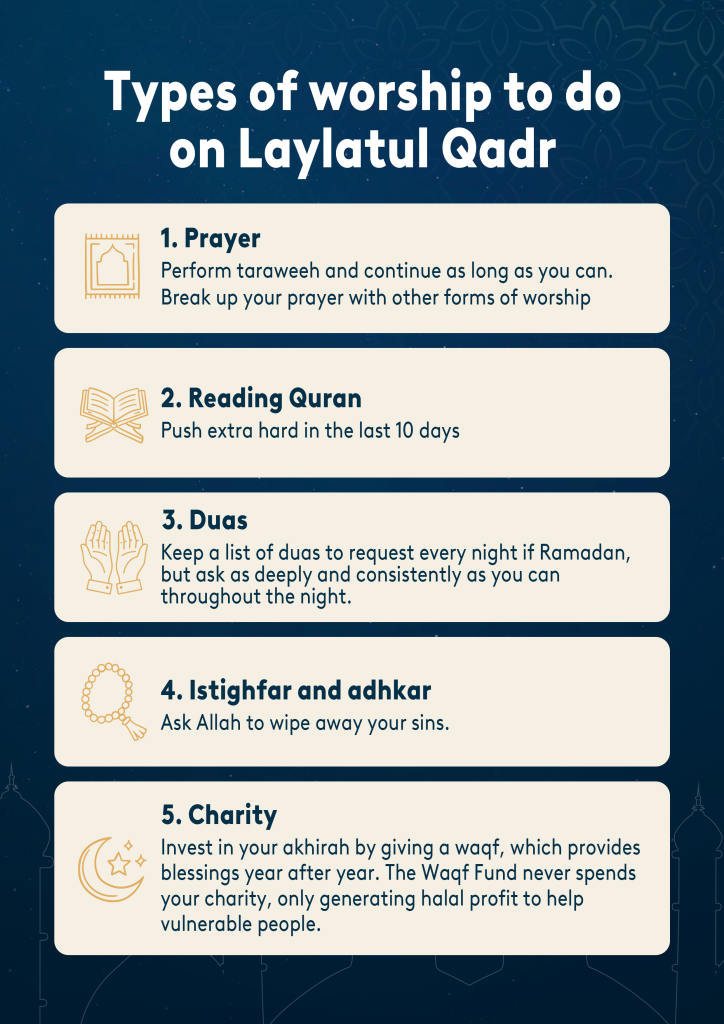
By worshiping every night across the last 10 nights. Remember, there are other kinds of good deeds that count as obedience, such as caring for the young of the ummah, preparing food for others and giving charity.
Ramadan is the month of the Quran and the month in which it was revealed. Reading the Quran in Ramadan brings so many blessings. Good deeds in Ramadan are multiplied many times over, on top of the already multiplied rewards of reading the Quran:
The Messenger of Allah ﷺ said: “[Whoever recites a letter] from Allah’s Book, then he receives the reward from it, and the reward of ten the like of it. I do not say that Alif Lam Mim is a letter, but Alif is a letter, Lam is a letter and Mim is a letter.” (Hadith Al Tirmidhi)
But recitation of the Quran also brings us spiritual peace, closeness with The Most Merciful, guidance in our lives, and even intercession on the Day of Judgement.
Completing the Quran in Ramadan
For some people, finishing the Quran in the month of Ramadan is easy, for others they struggle to get through a page a day. Some people can even complete the Quran within 3 days, reading the Quran 10 times during the month. It all depends on your fluency in Arabic, and how easy you find reading the Quran.
Let’s not forget that those who read the Quran despite struggling receive a second reward for the difficulty they face.
But also, completing the Quran doesn’t mean that you’ve understood the messages. A person could read the entire Quran without absorbing a single message.
Completion vs connection
Khatmah is the completion of the Quran and tadabbur is the deep comtemplation of its meaning. But which should we be aiming for?
Scholars differ on whether we should prioritise reading as much as possible, to rack up the blessings of the act of reading, or whether we should focus on understanding.
Angel Jibreel would review the entire Quran with the Messenger ﷺ every Ramadan, so it’s a sunnah to complete the Quran, and for those who find it easy to read, they should strive to complete it multiple times.
But what about those who struggle to read and understand the Quran? They should still dedicate time to reading what they can in Arabic while reading translations alongside it.
What should my goal be for Ramadan?
There’s no one goal for all people, we’re each at a different point in our journey and have different commitments. What’s certain is that you should put in maximum effort into achieving closeness to the Quran. Focus both on recitation and on understanding, without sacrificing one for the other as each has unique rewards.
Some tips to help your get close to the Quran
Integrate the Quran into your day. If you’re busy, make sure you’re listening to the Quran while you go about your day – swap out anything else you listen to on your commute or at the gym with the Quran and watch your familiarity grow.
Make sure you follow along during taraweeh – you can even follow along in English as the imam reads. Apps like Tarteel can help you find the imam’s location in the Quran if you struggle with this.
Split your recitation up – make sure you read even if just for 10 minutes with each prayer so that you make steady progress.
Quran outside of Ramadan
Familiarity with the stories and guidance in the Quran is built outside of Ramadan. A person who stays close to the Quran all year long will find it easier to recognise narrations, patterns and lessons, increasing the ease of recitation and recognition of the surahs.
Remember to remain close to the Quran once Ramadan is over to ensure that you can continue to progress. Keep sight of your relationship to the Quran over your lifetime, and how you can improve in the long term.
Remember that your goal with the Quran isn’t completion for completion’s sake, it’s completion in order to attain taqwa – closeness to The Most Merciful.
May Allah bring us closer to Him through His sacred book this Ramadan.
Finding spiritual focus in the age of social media
Ramadan is a gift from Allah, a month in which He makes it easier for us to grow closer and conscious of Him.
But Ramadans of today look very different to how they did 10 or even 5 years ago. Our phones are always on, we are always available and accessible, and always influenceable. We’ve slipped into a culture where every single time someone messages you, you feel obliged to respond immediately, and the social media dopamine loop keeps us glued to our phones.
Why is the dopamine loop negative?
Dopamine is a neurotransmitter and hormone that is a chemical messenger. It reinforces behaviours by creating feelings of satisfaction, and when we experience it during social media scrolling it encourages us to reach for our phone. But the nature of social media is unpredictable, and your brain never knows which moment, post, or story might bring reward, which keeps you hooked.
This is called variable reward enforcement, which we should be alert to in Ramadan. When we’re fasting, our glucose levels drop, which reduces our cognitive energy and impulse control.
That’s why it’s so tempting to reach for social media when we’re feeling exhausted.
What’s the solution?
Set boundaries with your phone. Make sure you never use it during prayer or while reading Quran.
Try to swap out any Quran apps for a physical Quran to help you to stay focused. If you depend on your phone for Islamic learning – such as an app that reads along with taraweeh – use your phone’s in-built screentime or downtime functions to help you to lock social media apps at specific times of day.
Set screentime limits for the entire day – such as limiting each app to 30 minutes per day.
You can even buy a fob that locks your phone and leave it somewhere out of sight to help control the impulse to pick you your phone.
Set your intention
As we enter Ramadan, make sure you set your intention to use your phone only for apps that nourish the soul. Be mindful of the trap of social media, and work to retrain your brain for focus, reflection and patience.
May Allah make this Ramadan one of learning and forgiveness, and help you to focus intentionally on ibadah.
There are so many benefits Muslims receive from fasting in Ramadan. Often when appealing to a non-Muslim audience, we can fall into the trap of trying to convince them that Ramadan is important because it teaches us empathy, patience, resilience and determination. But the reason that we fast, and the reason that Ramadan is valuable to us is simply because Allah commanded us to fast.
The Messenger of Allah ﷺ said, “(Allah said),‘Every good deed of Adam’s son is for him except fasting; it is for Me. and I shall reward (the fasting person) for it.’ (Hadith al-Bukhari)
Benefits of Ramadan
We fast in obedience to Allah and to please Him, but that’s not to say that there aren’t tangible benefits to it too. You’d be hard-pressed to find a Muslim who doesn’t feel a deep spiritual enrichment in Ramadan. What benefits do Muslims experience, spiritually, physically, and mentally?
1. God-consciousness
“O you who have believed, decreed upon you is fasting as it was decreed upon those before you that you may become righteous.” (The Holy Quran 2:183)
Ramadan and all its requirements bring Muslims closer to God, teaching us to be mindful of Him in all our actions, and remembering Him more frequently throughout the day, through adhkar, additional prayers, and a closeness to the Quran. Each pang of hunger or thirst reminds us that we are in obedience to The Almighty.
2. Gratitude
Experiencing hunger gives fasting Muslims a very small window into the pain that people going hungry endure, and invites gratitude for an abundance of food. Those fasting abstain from food knowing that they will have a meal at the end of it, which significantly reduces the stress and pain of hunger. But it’s important to remember that Muslims without enough food fast too, often without a meal to power them for the day or with a nourishing meal at the end.
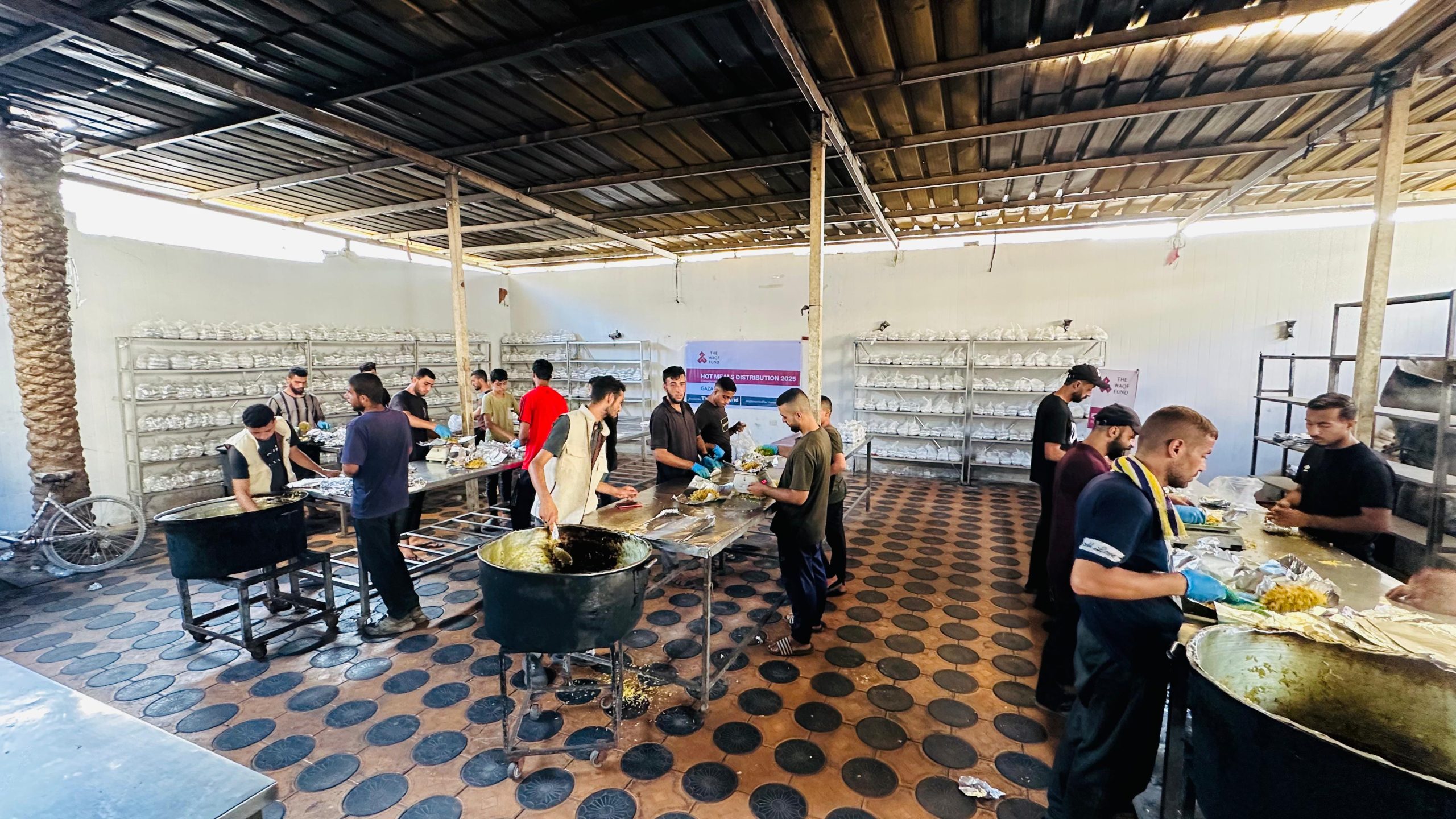
The Waqf Fund helps to provide families with nourishing food for the entire month of Ramadan with our Ramadan iftars waqf.
3. Discipline and resilience
It takes consistent and prolonged effort to fast every day for an entire month. Each phase of the month comes with its own challenges and pushes Muslims to experience a different kind of life that focuses not in impulse and gratification, but on transcendence and discipline. It’s not just a fast of food, but Muslims should abstain from all bad temptations, including any music, company, or places that can tempt anything that could encourage haram or break the fast.
4. Kindness
Ramadan requires Muslims to put additional care into being more selfless. We’re encouraged to think of others more often, to give in charity, and to volunteer time and energy to helping others. Conflict, fighting, arguments, and backbiting all reduce the reward of the fast and we should abstain from all of these.
As we fast this Ramadan in obedience to Allah, may He allow us to attain taqwa, gratitude, discipline, resilience, and kindness this Ramadan. May we carry these attributes long after the month ends and may He accept all our efforts in the Holy Month.